Fine art at Asian Arts New York celebrates a diverse range of artistic expressions, bridging tradition and contemporary vision across cultures. Our programs highlight works in ink art, realism, abstract art, porcelain, and other interdisciplinary forms, reflecting the richness and evolution of artistic practices.
From the meditative brushwork of ink painting to the precision of realism, from the expressive freedom of abstraction to the refined craftsmanship of porcelain, each medium offers a unique way of seeing and interpreting the world. Together, these forms create a dynamic dialogue between heritage and innovation, material and imagination.
Hongnian Zhang
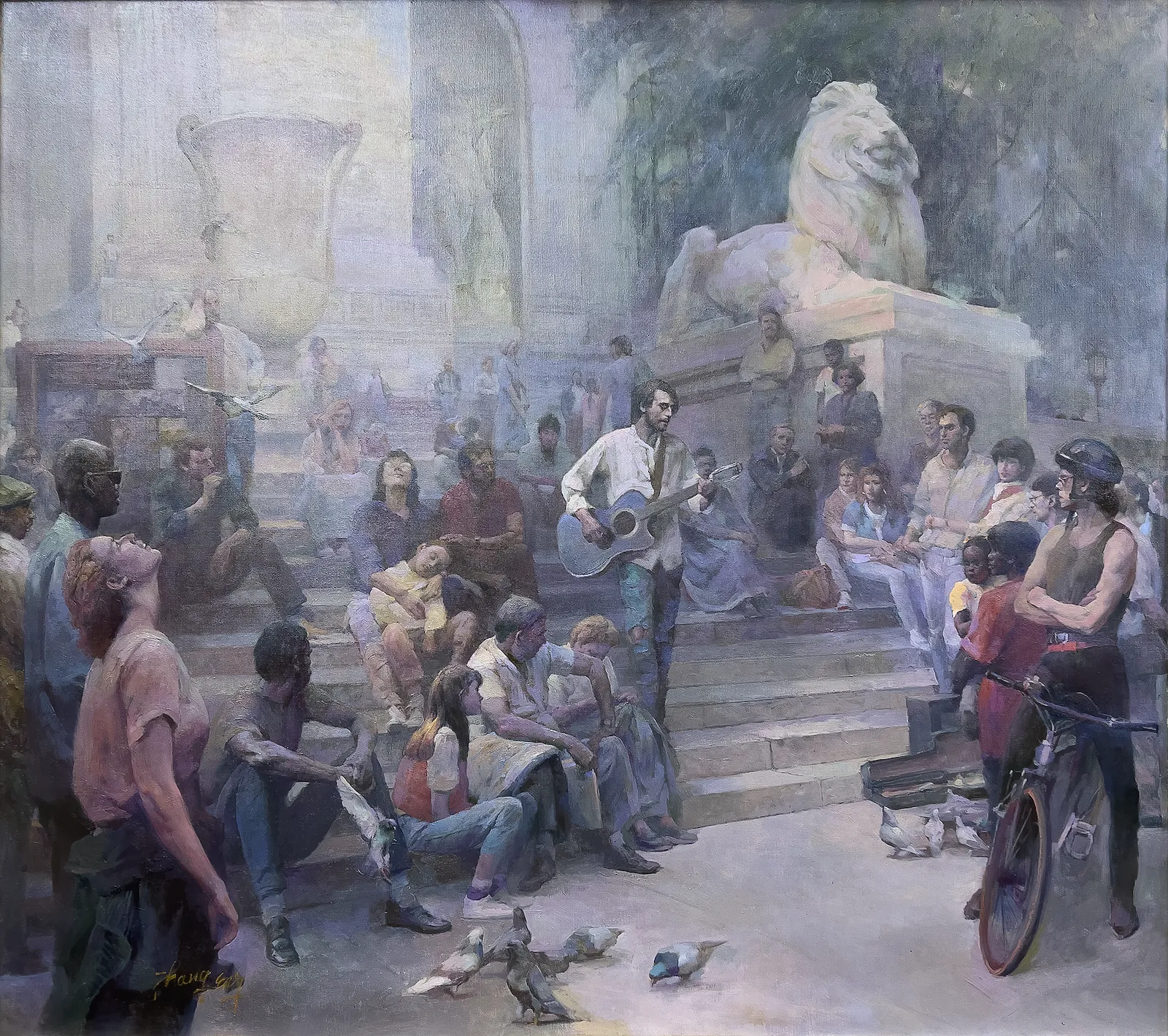
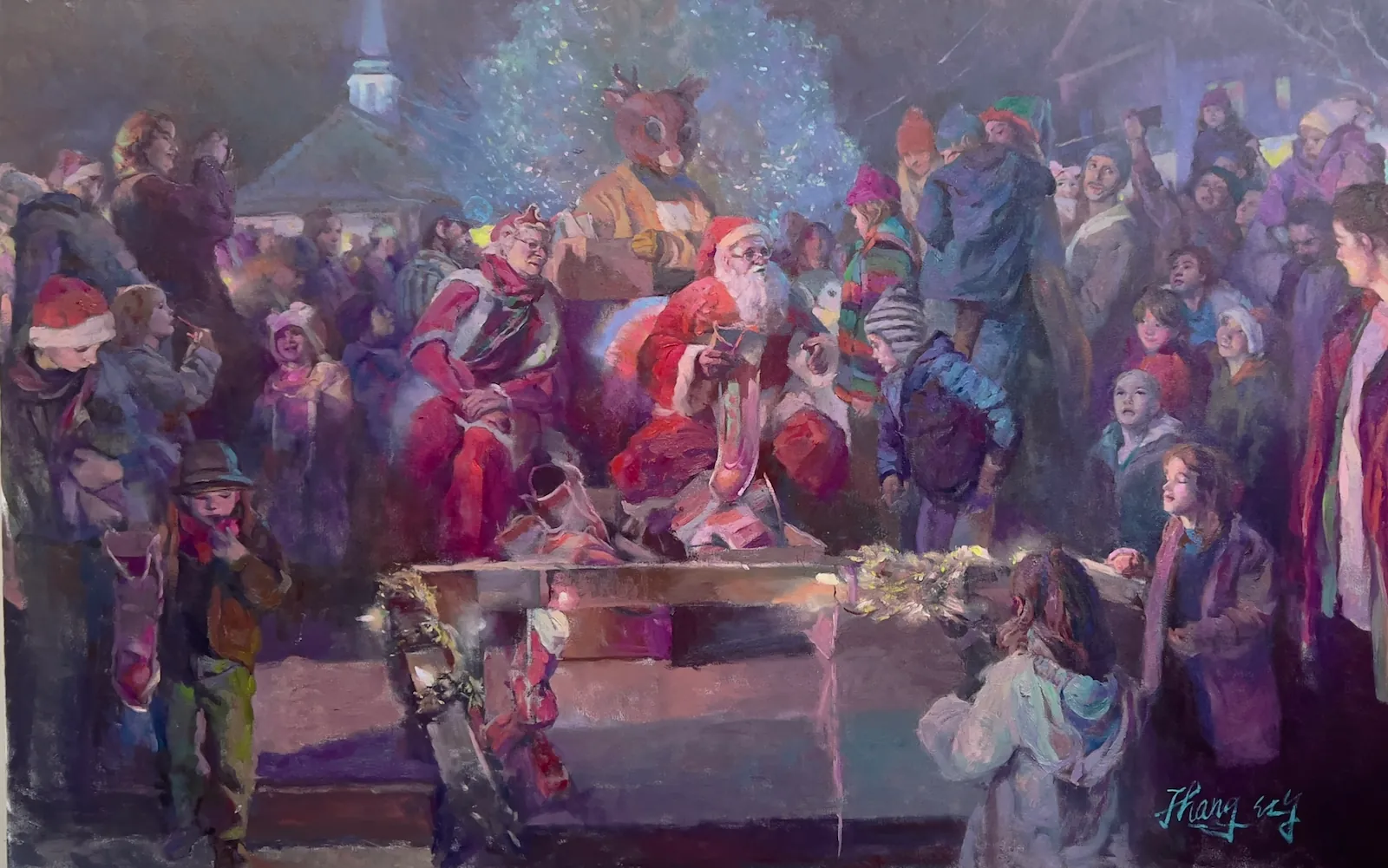
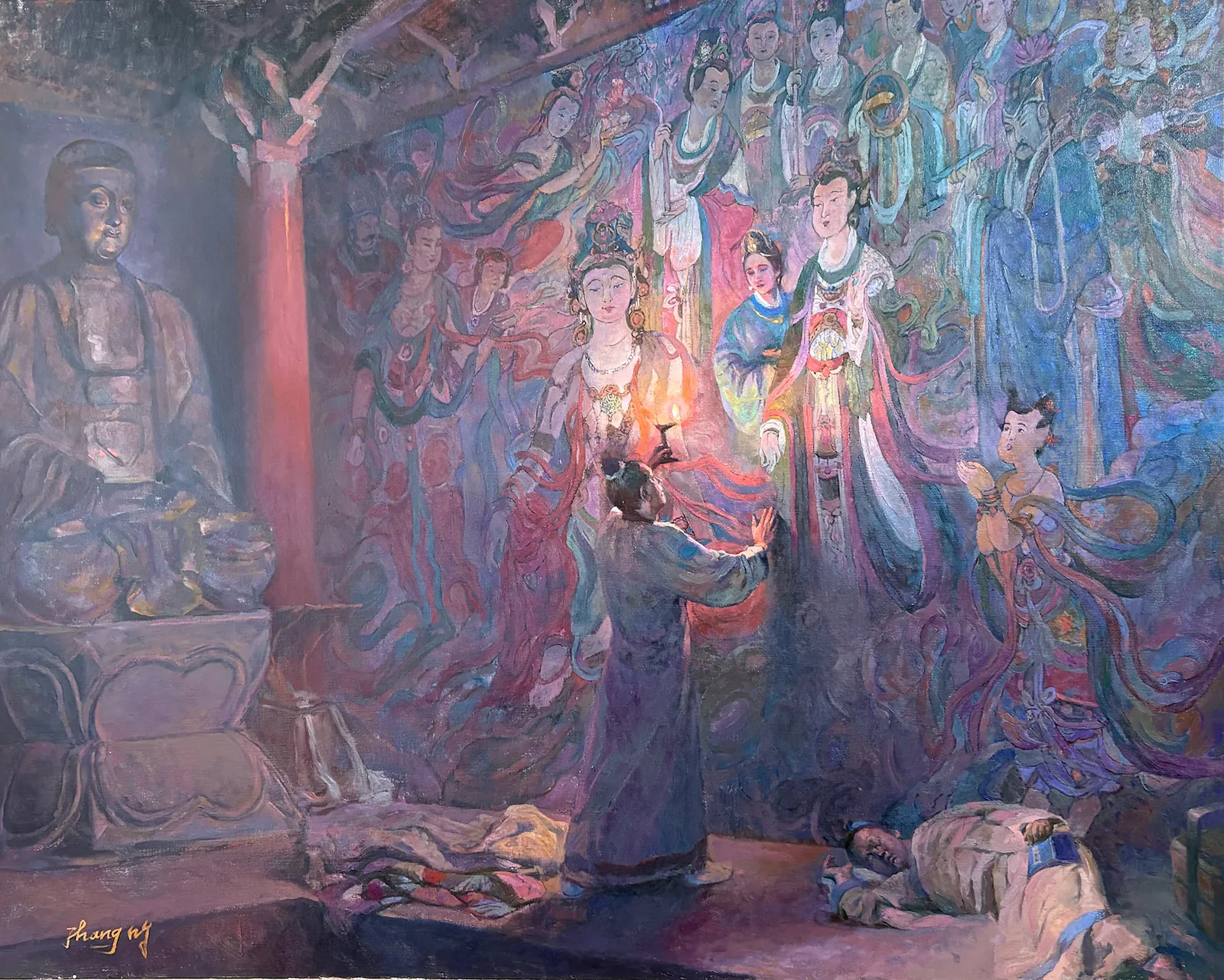
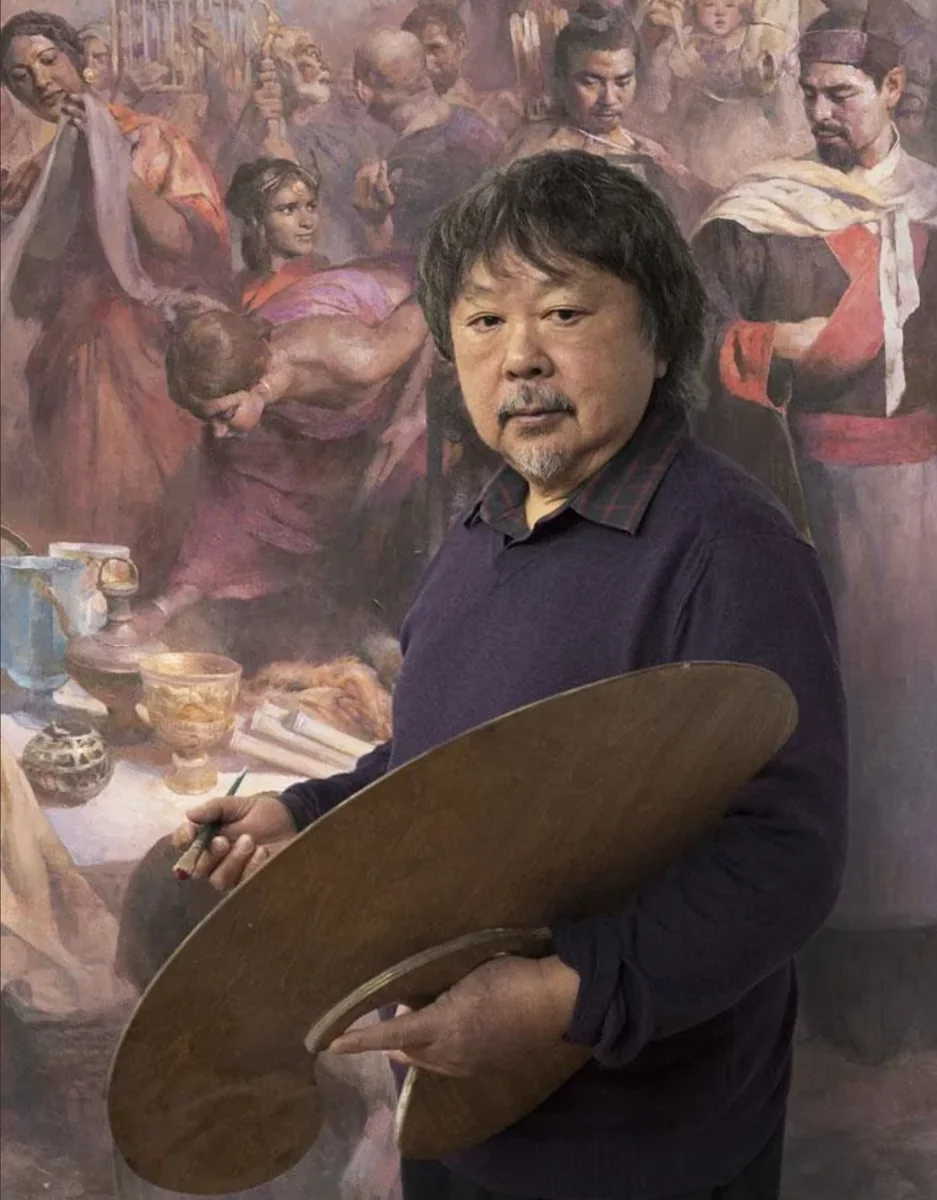
Hongnian Zhang is a celebrated Chinese-American oil painter whose works are represented in major permanent collections, including China’s National Museum, the National Art Museum of China, the National Geographic Society, and the New Britain Museum of American Art.
His subjects range from cultural commentary and Tibetan pastoral life to contemporary scenes and historical narratives. Trained at the Central Academy of Fine Arts in Beijing, Zhang’s early career was interrupted by the Cultural Revolution, during which he spent five years in forced labor.
After returning to Beijing, he became a resident artist at the Beijing Art Institute, where he created powerful works reflecting those experiences. His searing depictions contributed to the influential “Scar Art” movement. Since immigrating to the United States in 1985, his work has been widely exhibited and awarded internationally.
In addition to his artistic career, Zhang has been an active educator, teaching at institutions including the New York Academy, Woodstock School of Art, and the Shanghai Institute of Visual Arts. He is also co-author of The Yin Yang of Painting.
Visit Website
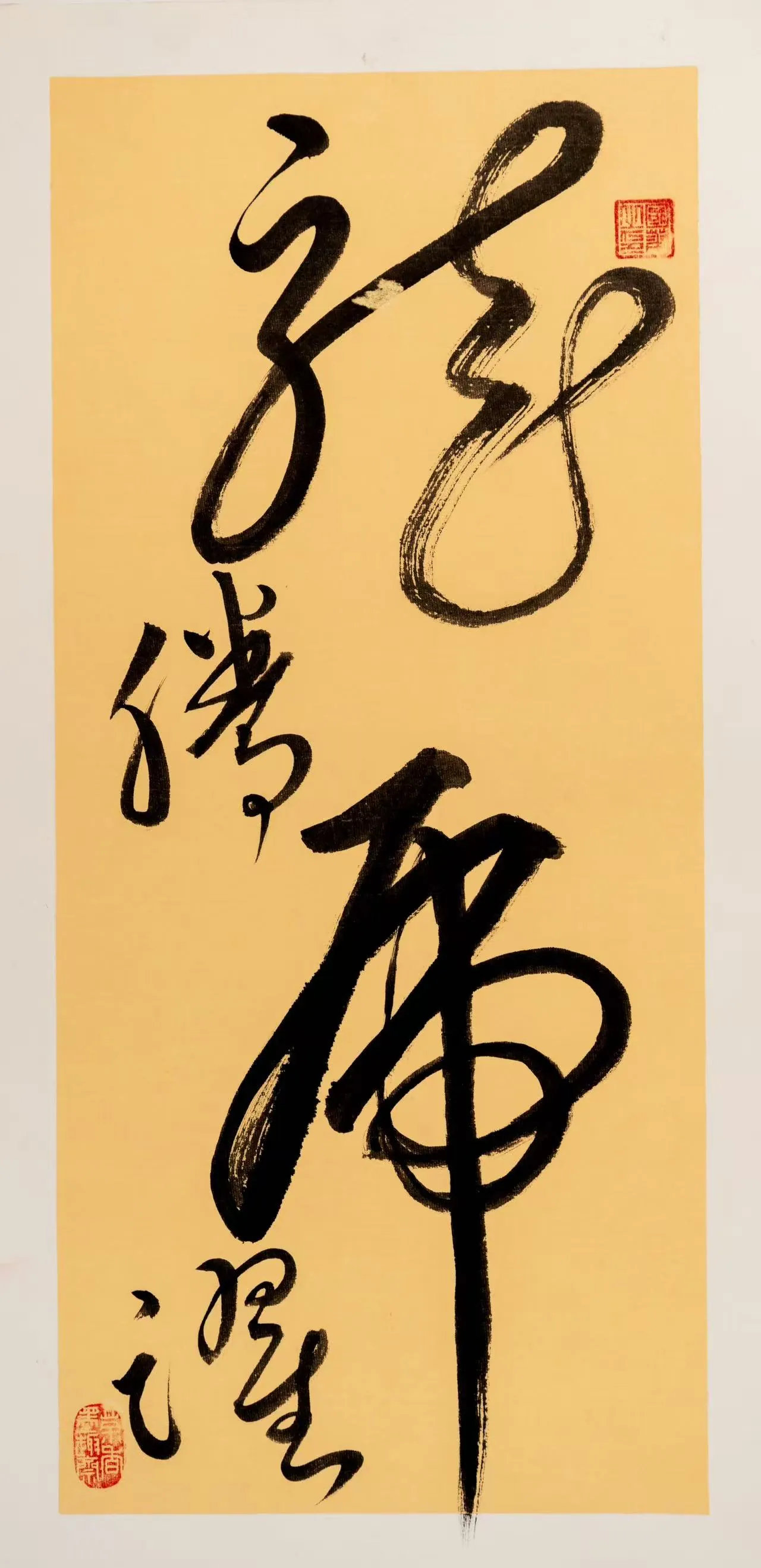
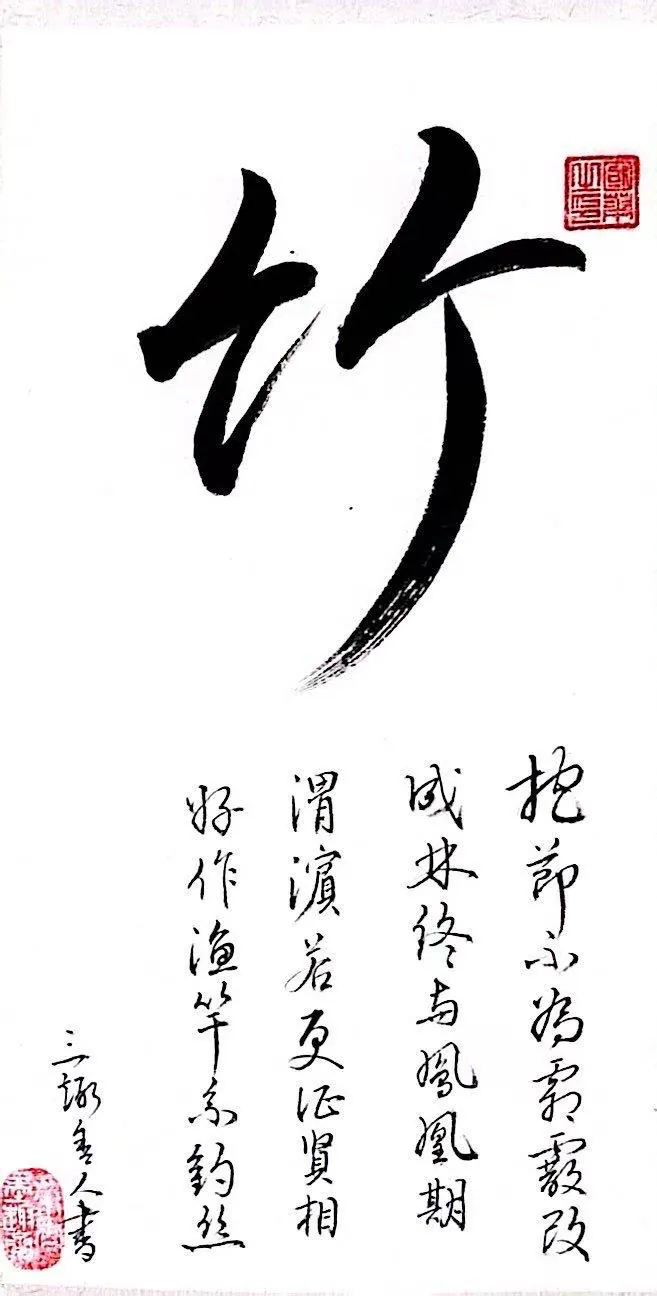
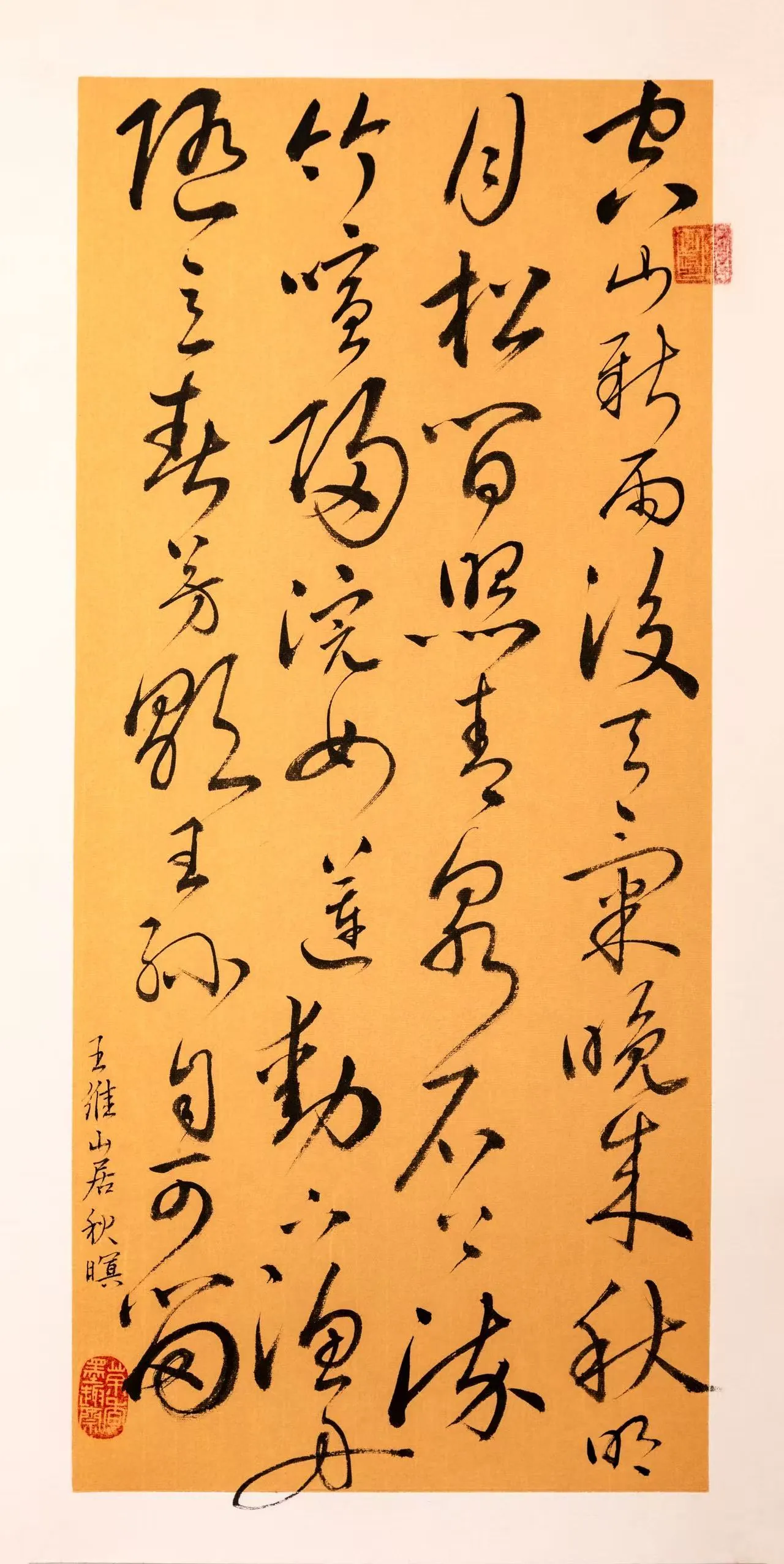
Richard Wang – Calligraphy Demonstration
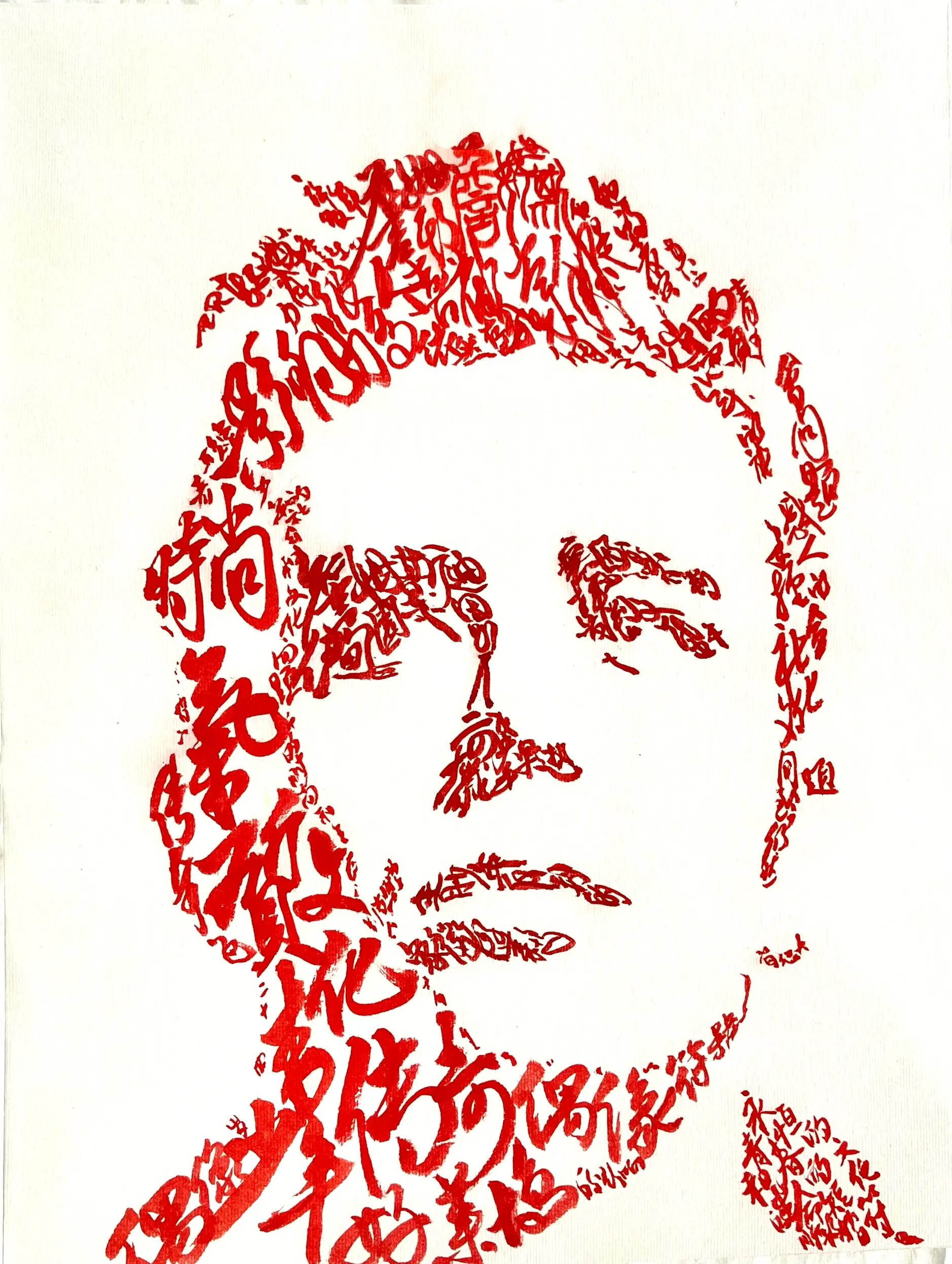
Calligraphy (书法) is the art of creating expressive and harmonious forms of writing, practiced across many regions of Asia. In cultures where written forms are fluid and visually expressive, calligraphy is regarded as a highly refined art form. Traditions in China, Japan, and Korea share the use of the “Four Treasures of the Study”—brush, ink, paper, and inkstone—while developing their own distinctive styles. Beyond East Asia, calligraphic practices also flourish in other parts of Asia, including the Islamic world, where Arabic and Persian calligraphy hold deep cultural and spiritual significance. Across these diverse traditions, calligraphy reflects both aesthetic beauty and cultural identity.
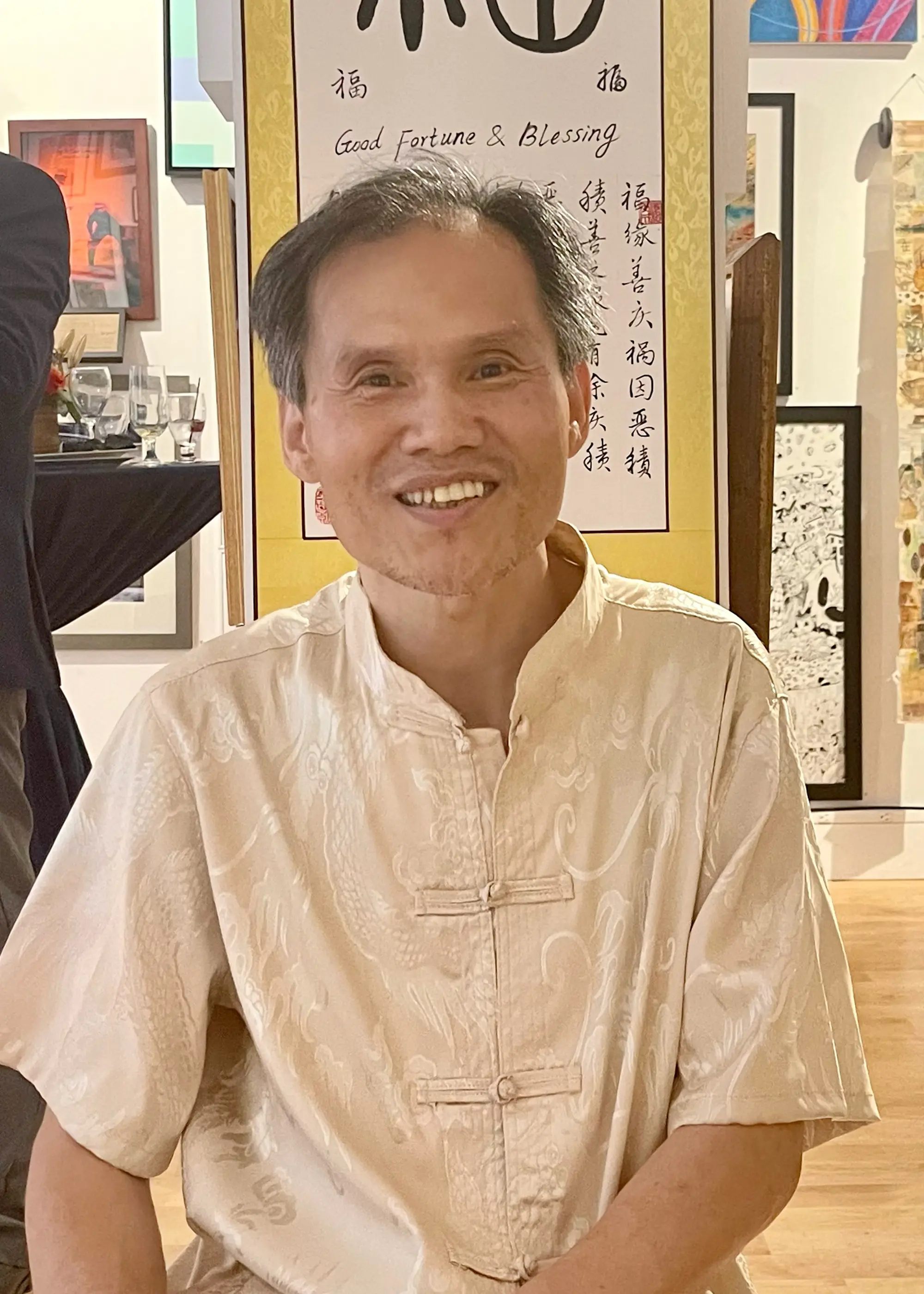
Richard Wang began his calligraphy journey at the age of nine in China, mastering all five traditional script styles—Seal, Clerical, Regular, Running, and Cursive—with a focus on the fluid Running and Walking scripts.
After immigrating to the U.S. in 1994, he pursued a career as an engineer while remaining deeply committed to promoting Chinese calligraphy. Over the past 15 years, Richard has organized workshops, exhibitions, and live demonstrations across the Capital Region of New York, contributing to cultural exchange through his art.
His work has been featured in local media, and he views calligraphy not only as an artistic practice but also as a therapeutic one that promotes mindfulness, focus, and inner peace. Richard continues to inspire audiences by bridging cultures through both the beauty and benefits of Chinese calligraphy.
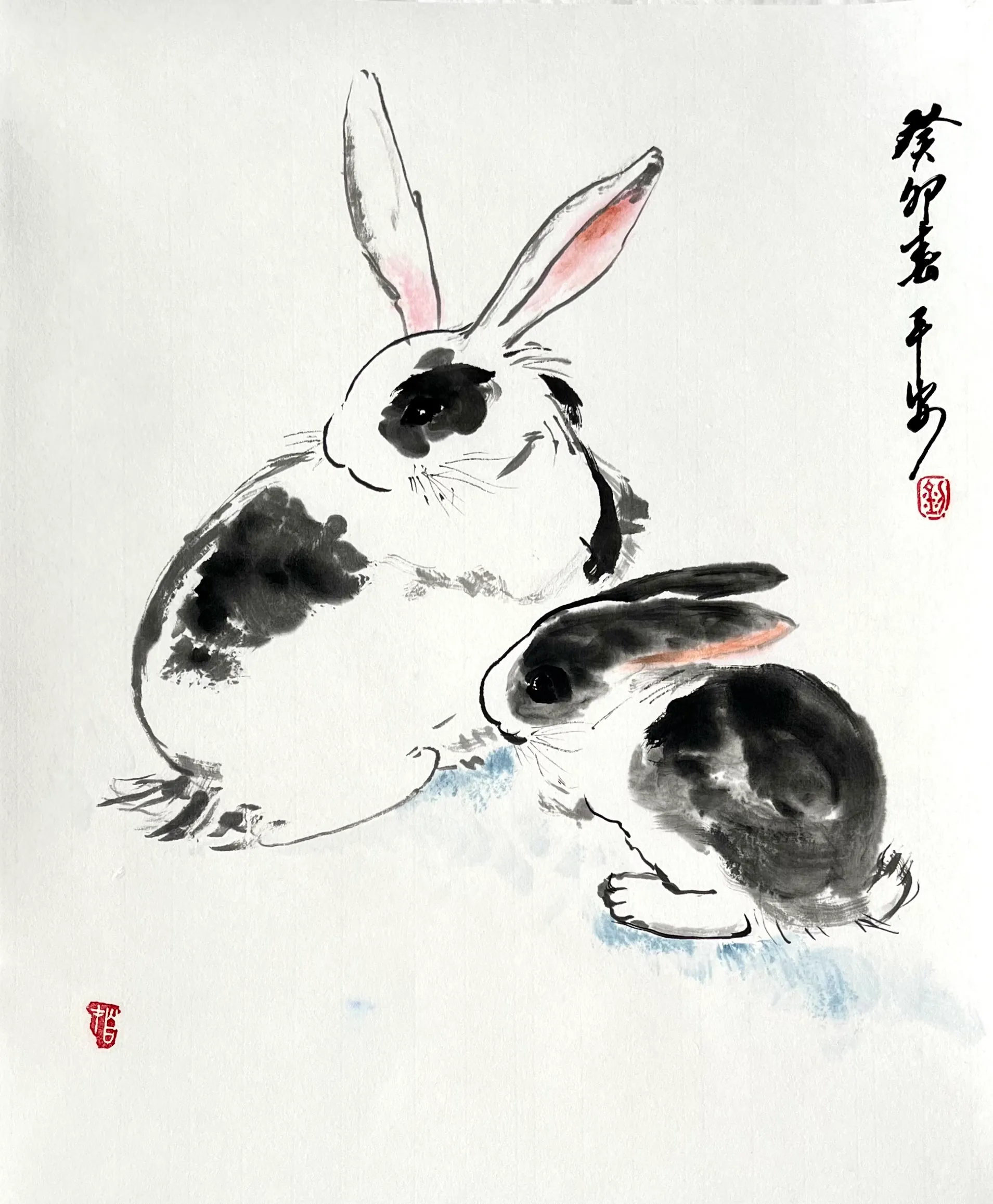
Anping Liu
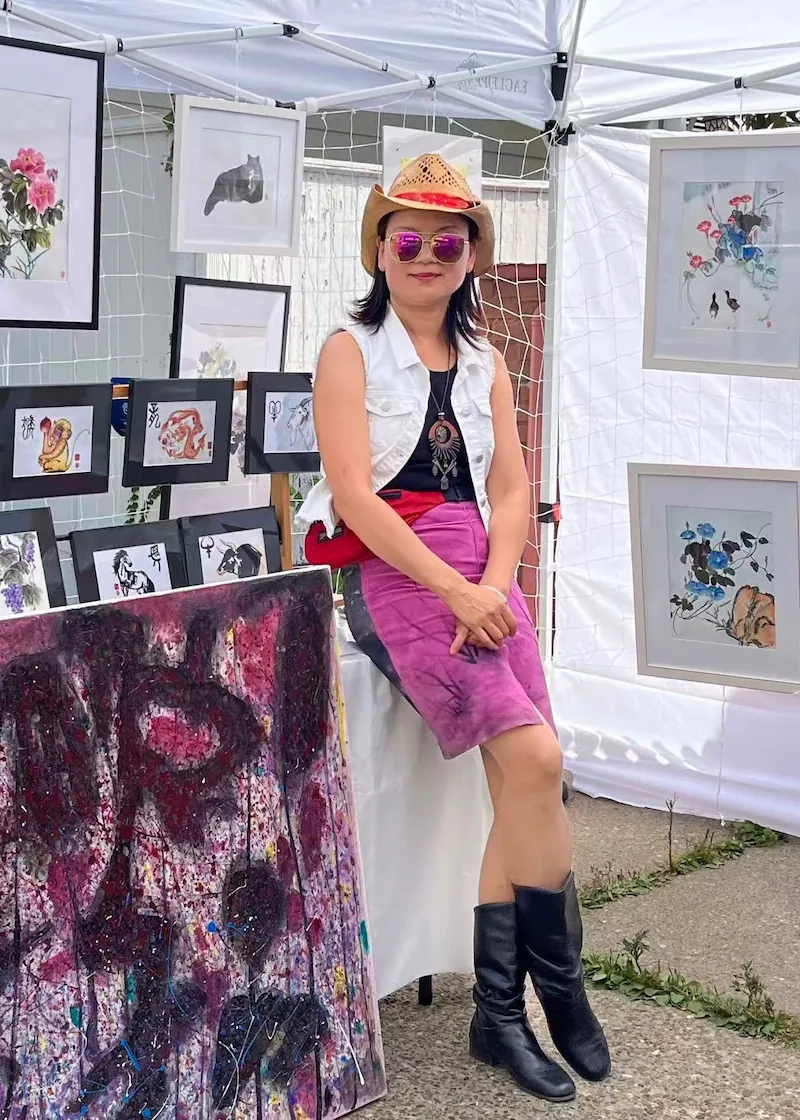
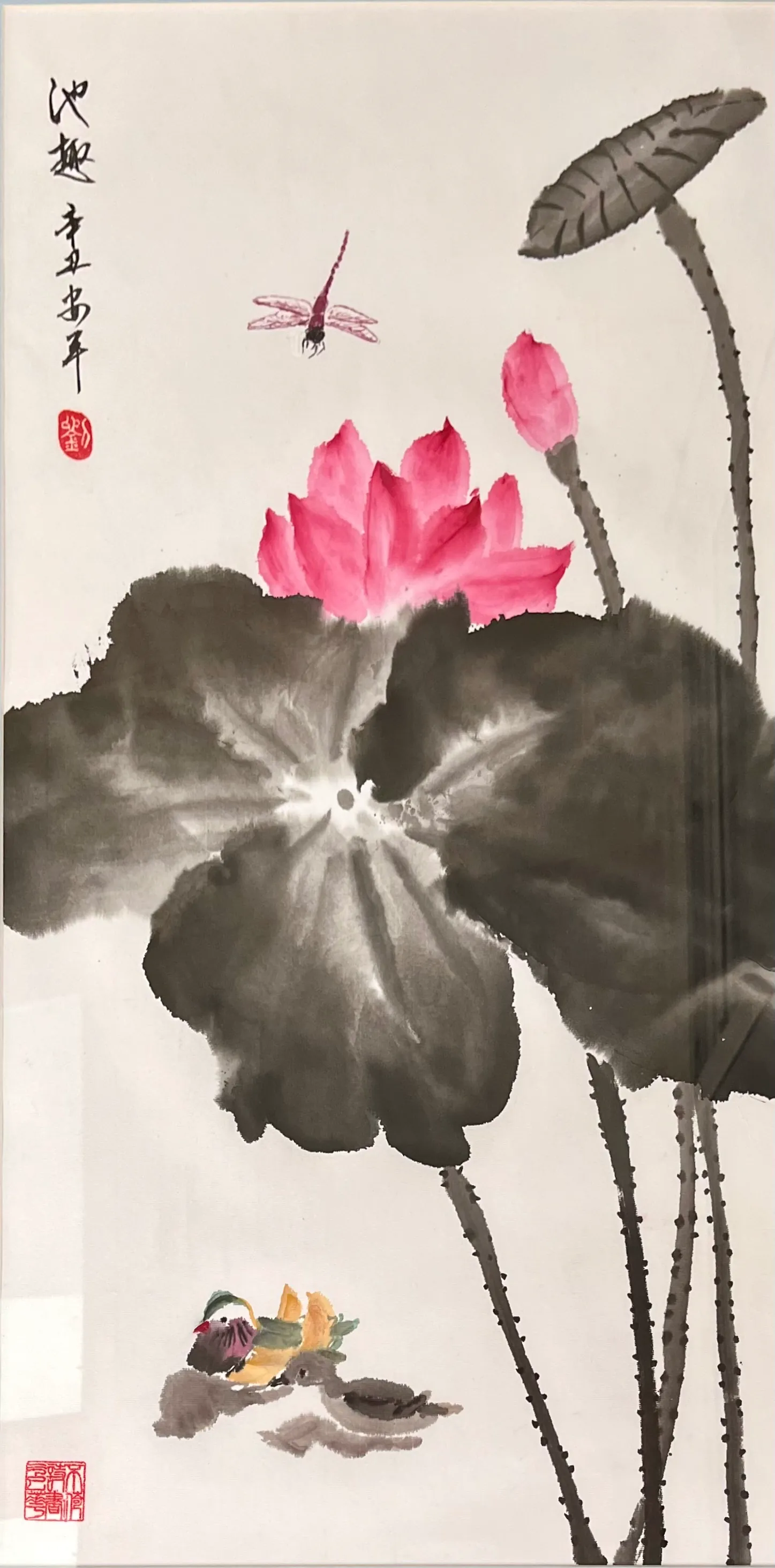
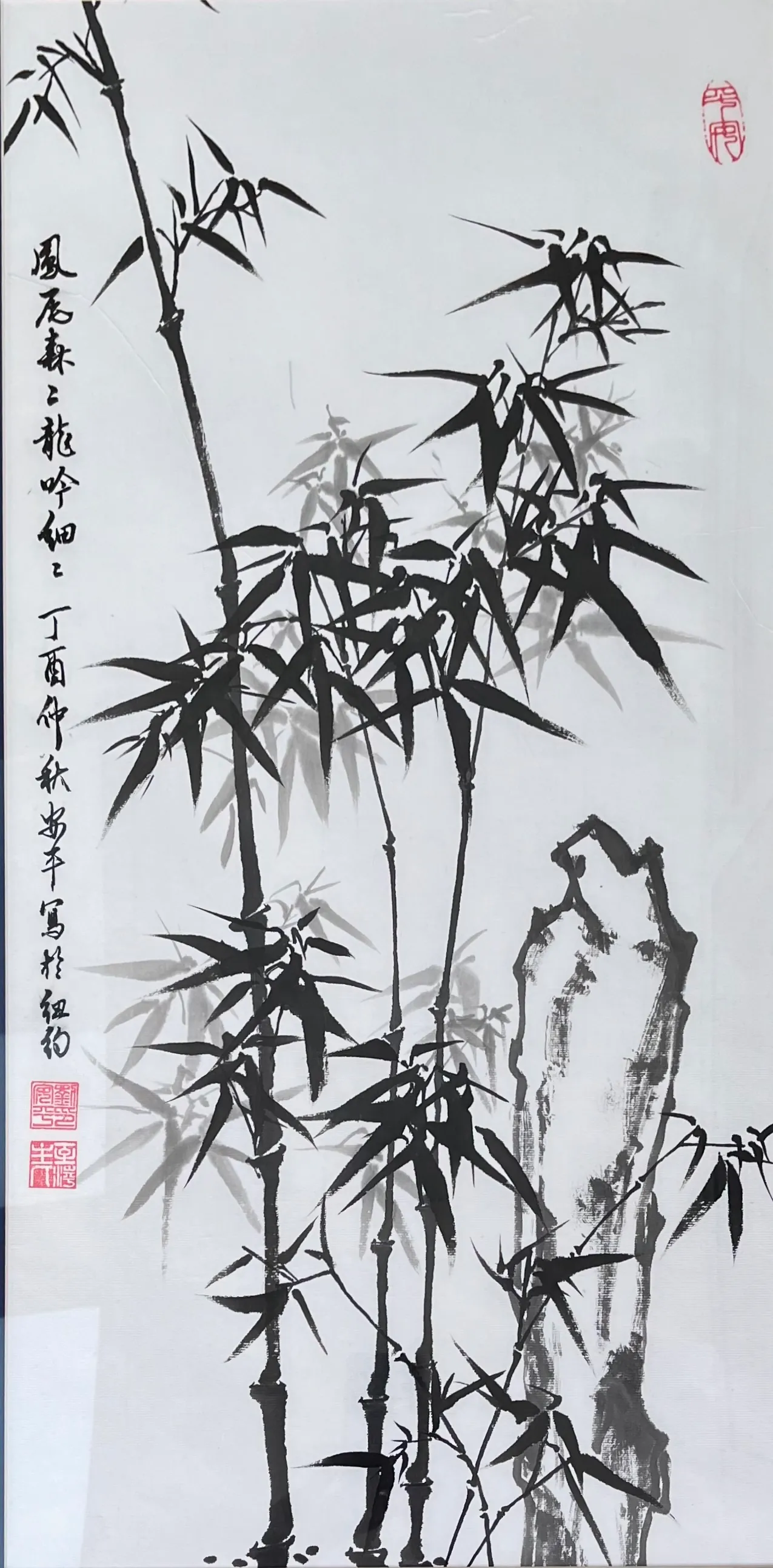
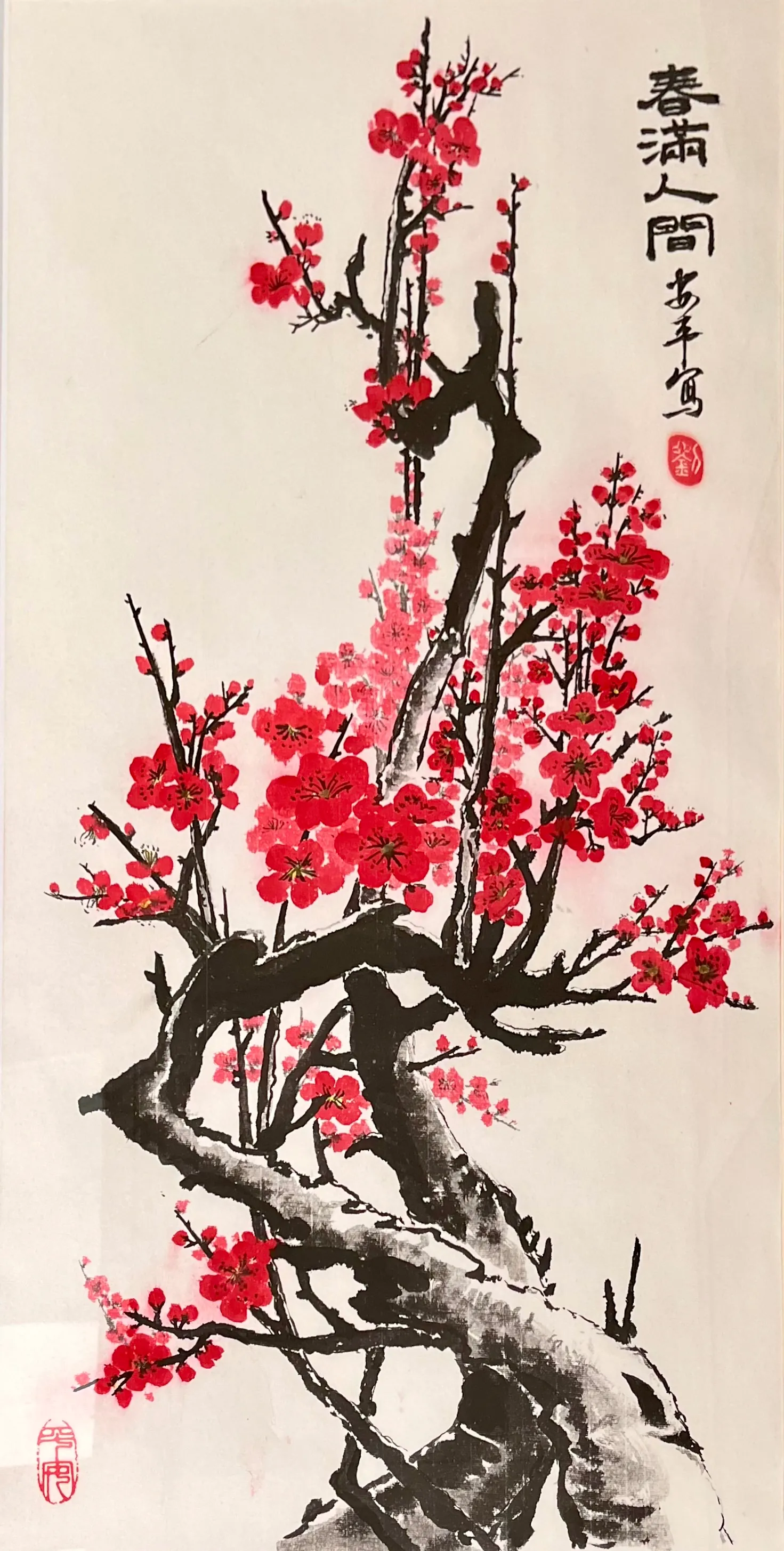
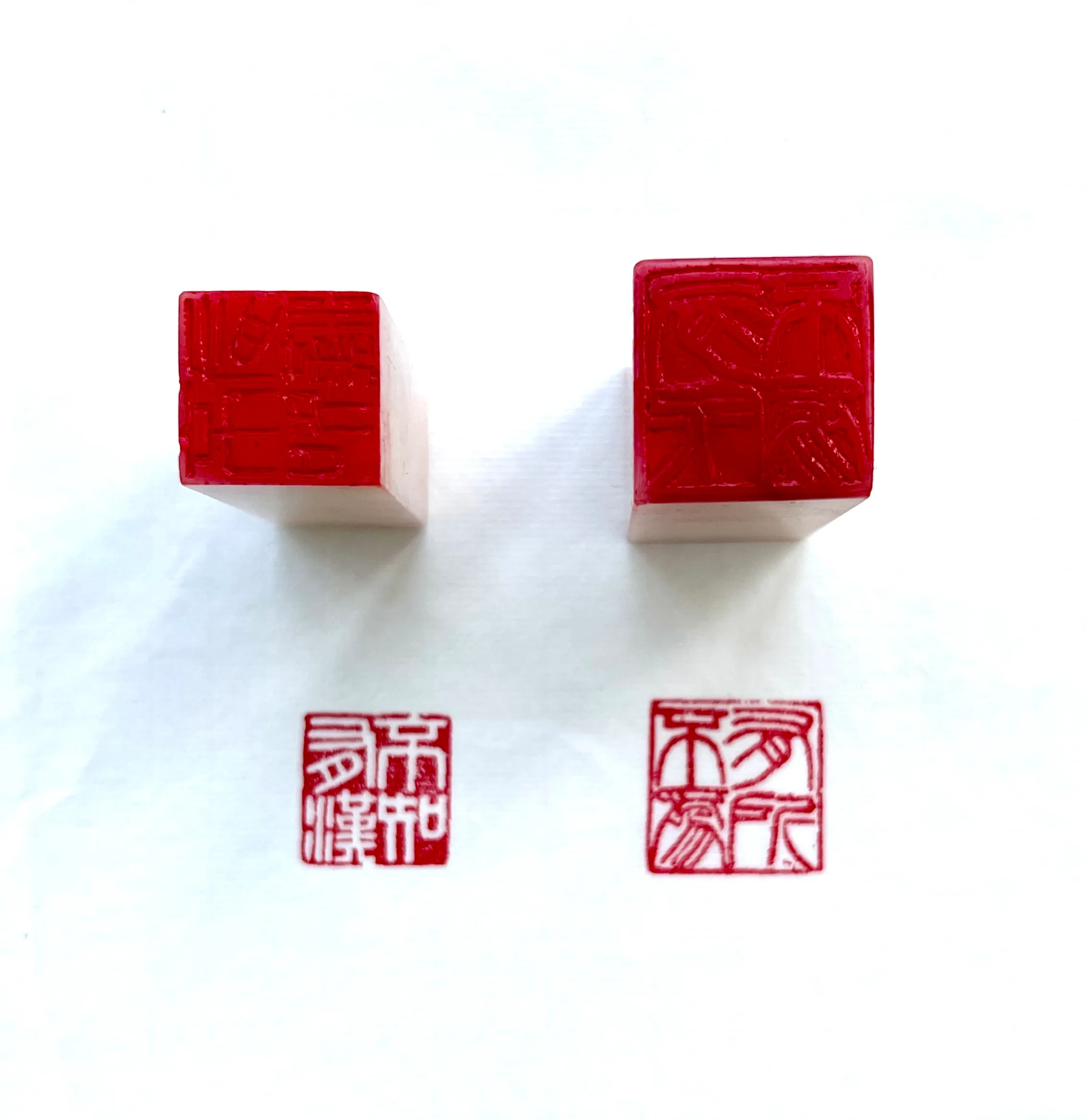
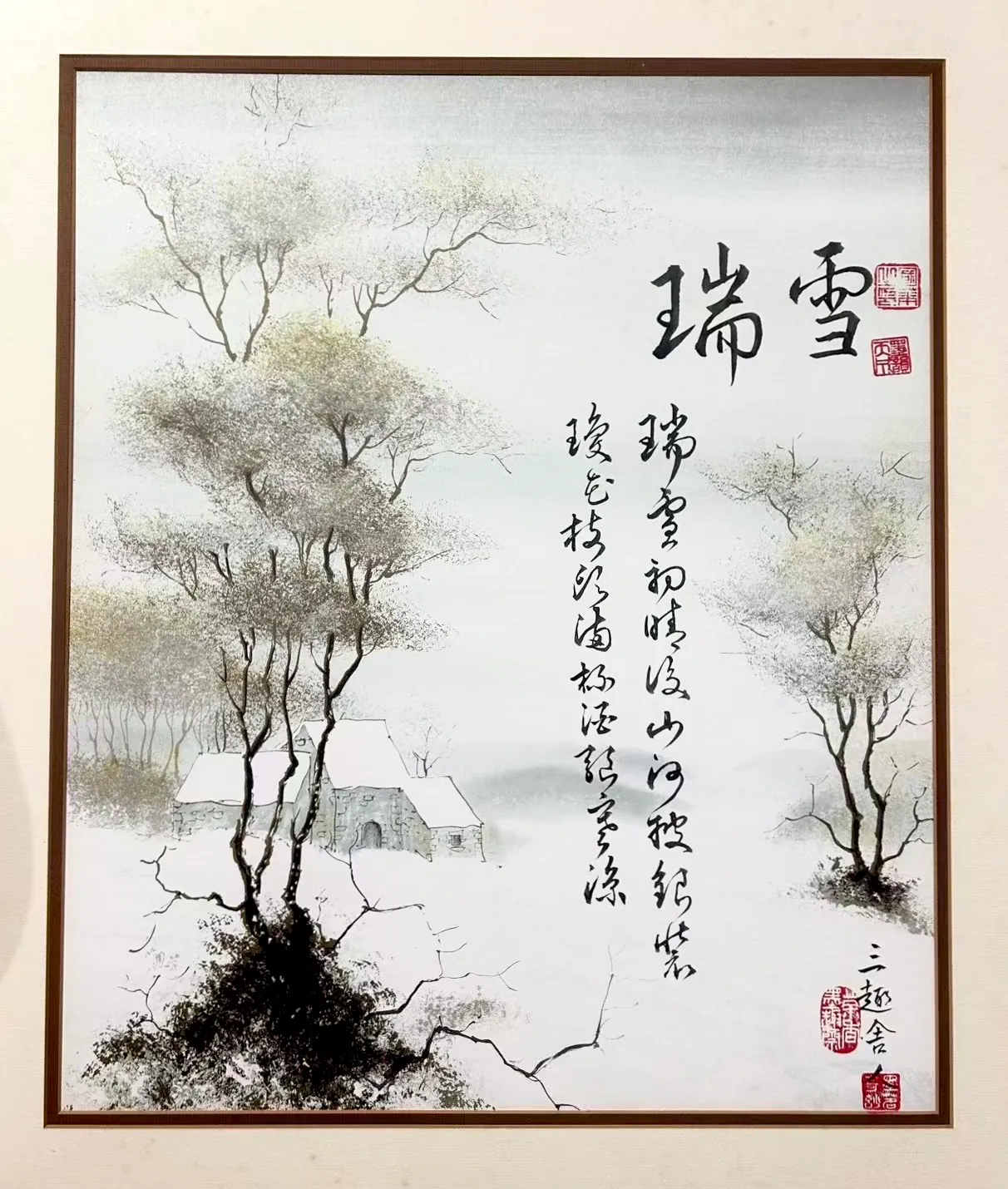
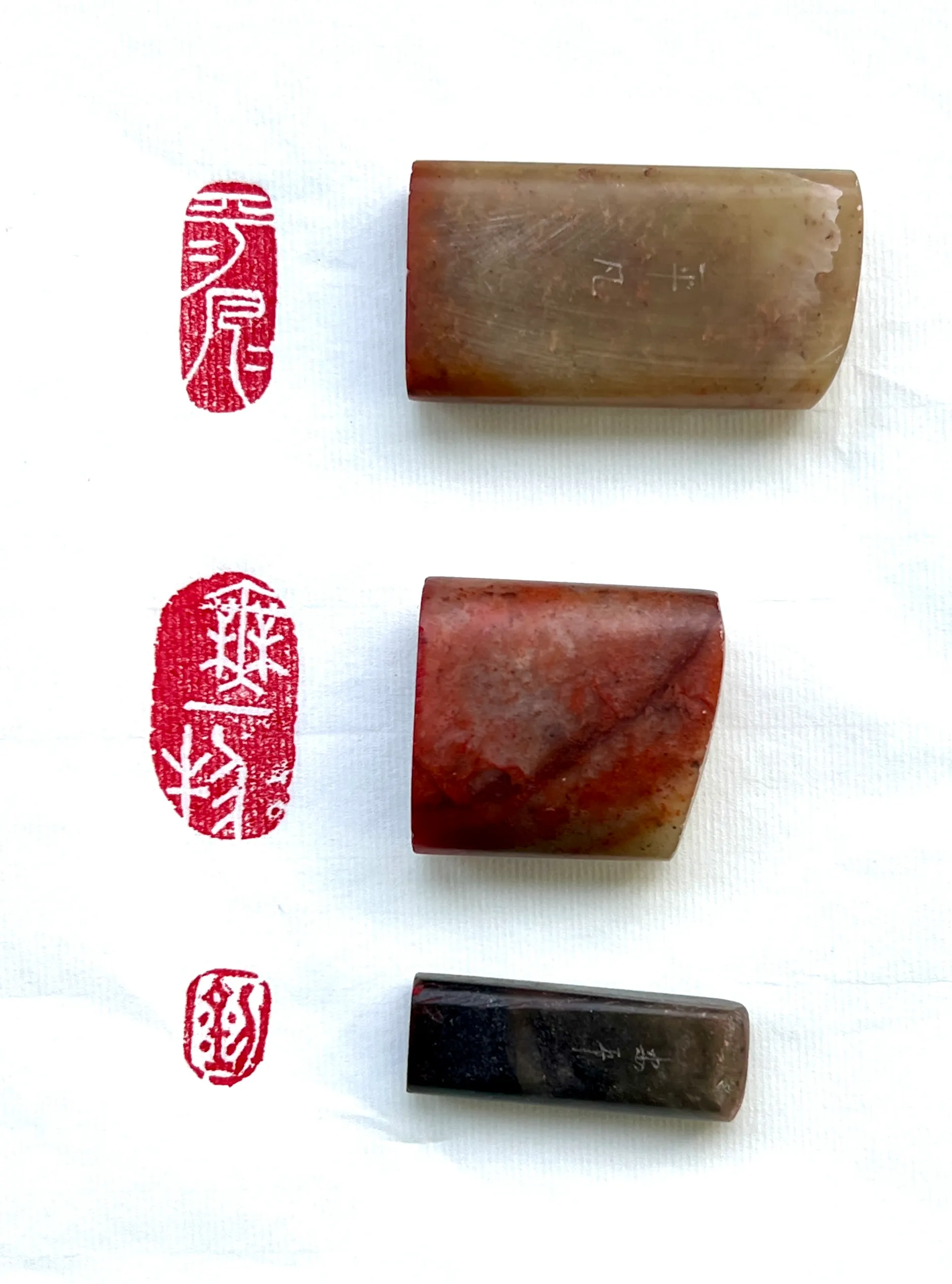
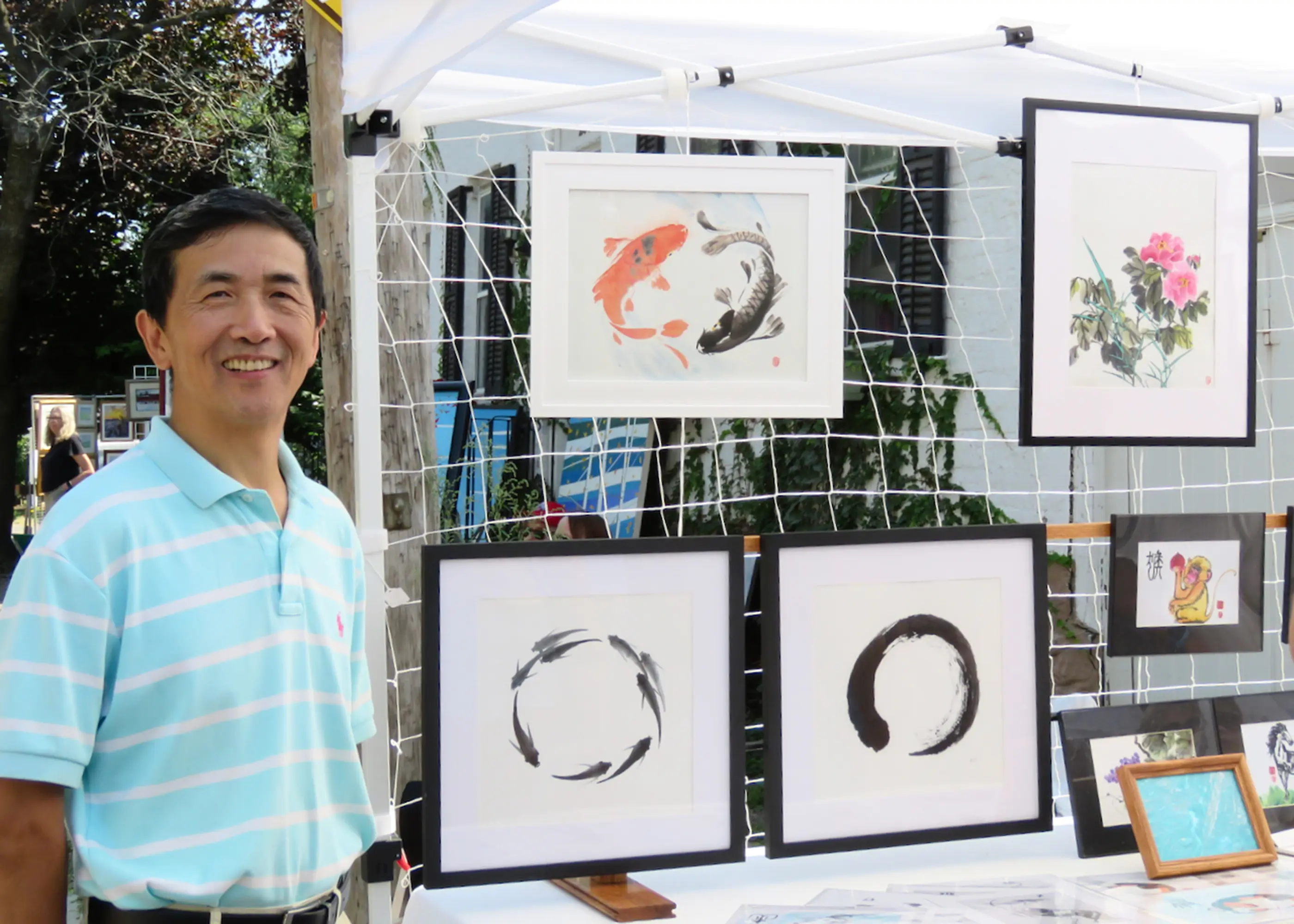
Traditional Chinese painting (国画) uses brushes, ink and watercolor on rice paper to create expressive and elegant pictures. Chinese painting has a long history and is deeply rooted in Chinese culture. Among them, literati painting emphasizes comprehensive cultural cultivation, requires poetry, calligraphy, painting and seal carving to be integrated, and advocates that the painter must have character, talent, knowledge, and thought, none of which can be missing. The purpose of literati painters is not to depict nature realistically, but to express themselves with the help of nature and satisfy their souls.
Dr. Anping Liu holds a Ph.D. in economics and served as a principal economist for the State of New York Department of Public Service. Alongside his professional career, he has taught art for many years and is an active member of the New York Folklore Society, Overseas Chinese Artists Association, and Saratoga Beekman Art District Organization.
He has participated in various art fairs, including Albany Art Associates, Art in the Park, and the Beekman Street Art Fair. His 2021 exhibition at Albany Art Associates earned critical acclaim from the Times Union. His most recent solo show was at Valley Artisans Market Gallery in Cambridge, NY, and his paintings are collected by many individuals.
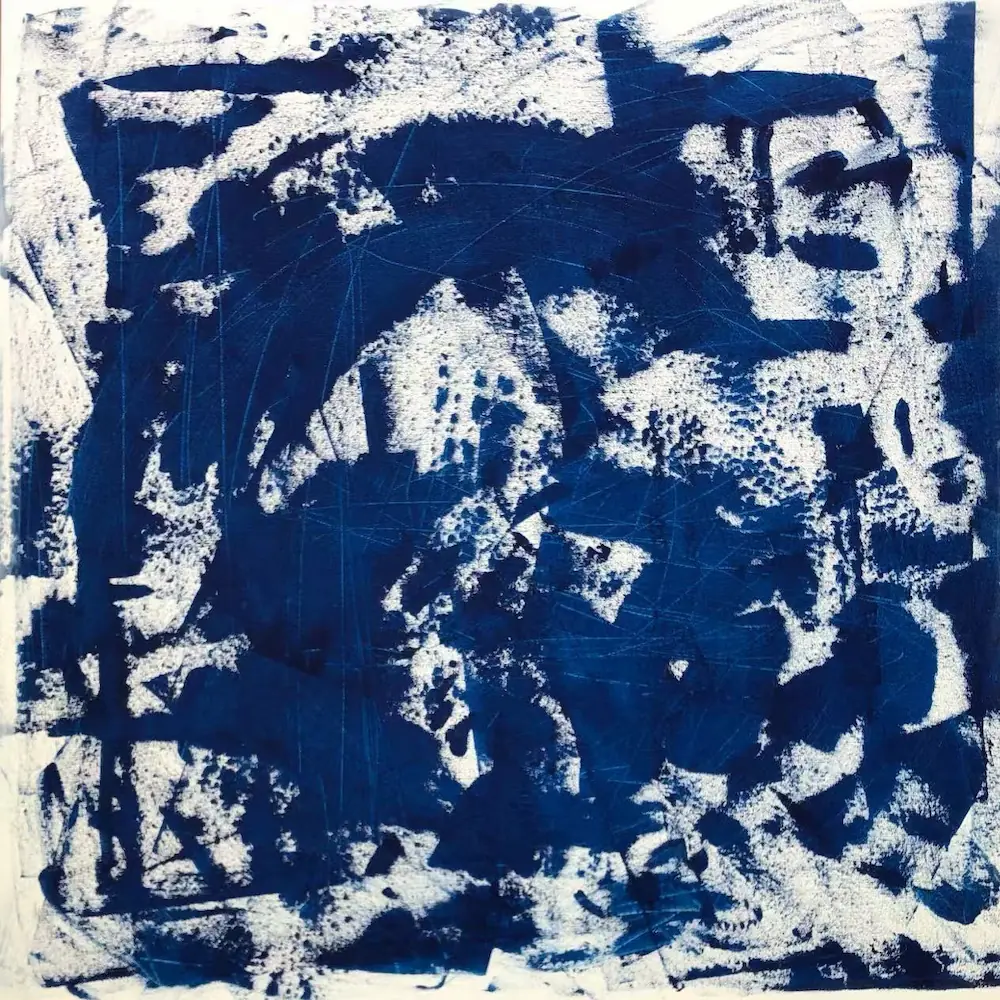
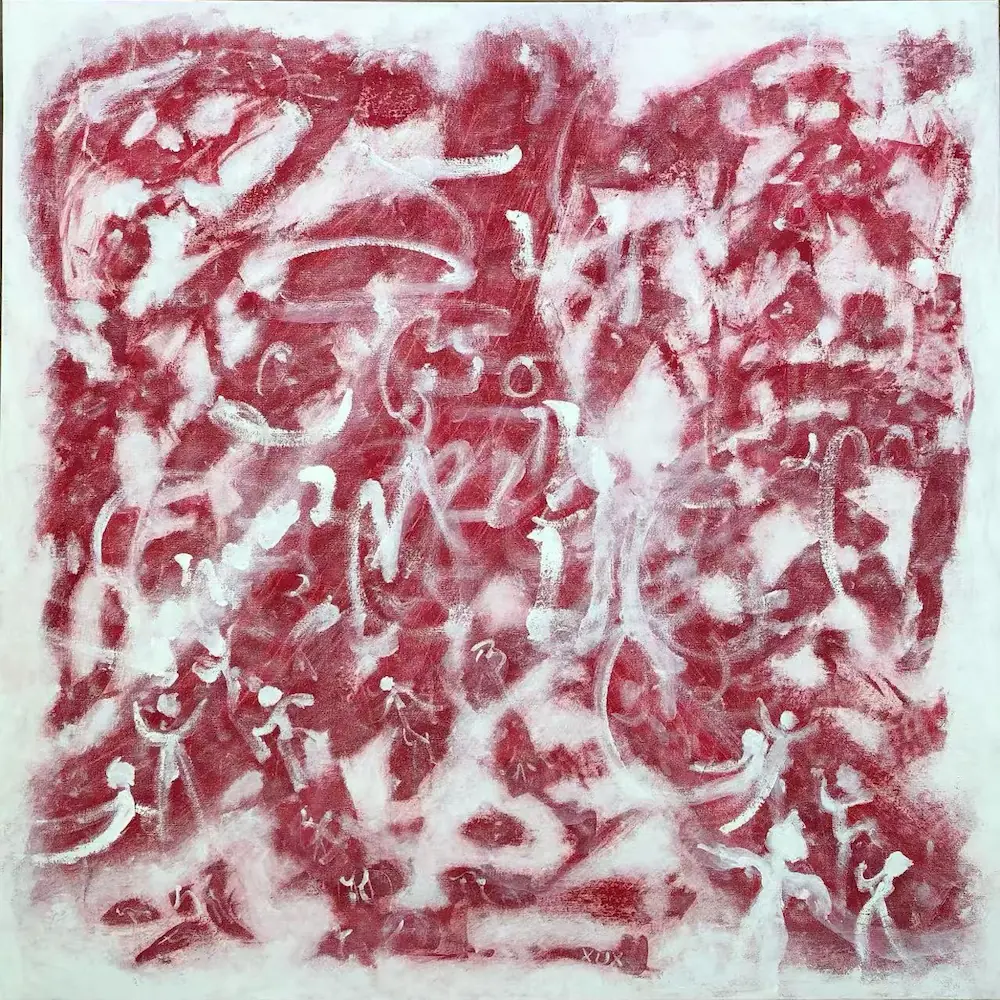
Contemporary Chinese-Inspired Art
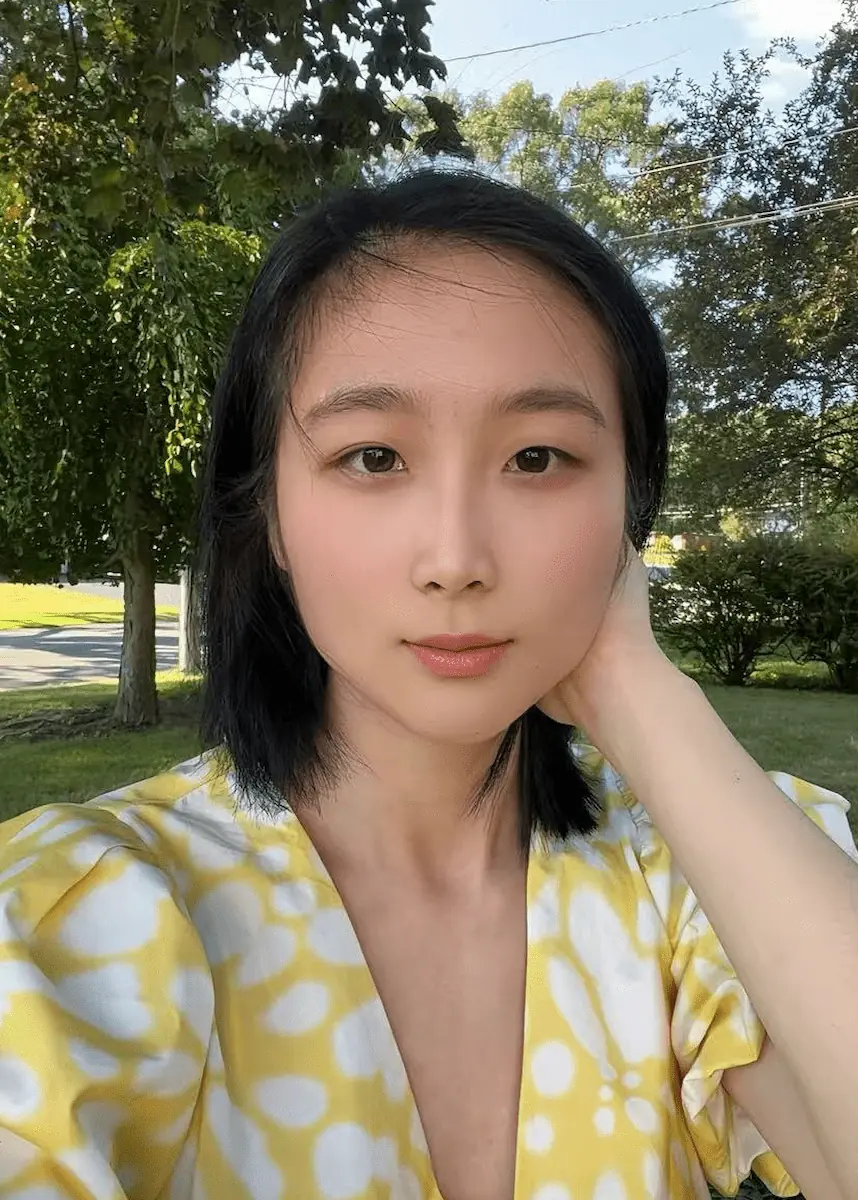
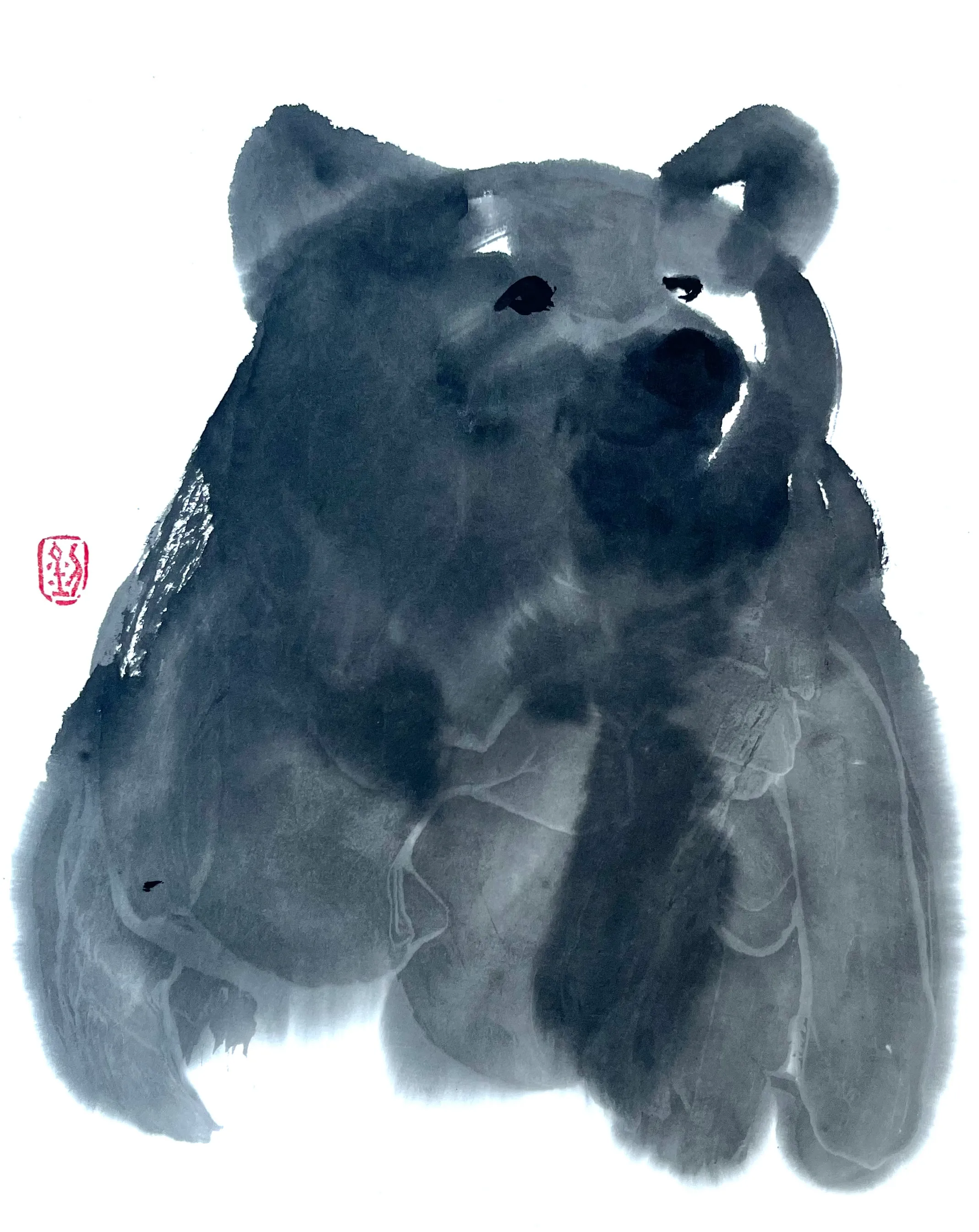
Xiaoping Xu is a contemporary artist whose work reflects a lifelong dedication to creativity, cultural dialogue, and artistic refinement. Alongside her professional career as a Database Administrator for the New York State Office of Information Technology Services, she has continued to pursue and teach art for many years.
She also holds double degrees in Law and Computer Science. She is a member of the New York Folklore Society, the Chinese Overseas Artists Association, and the Saratoga Beekman Street Arts District Organization. Her work has been featured in exhibitions and fairs including Albany Art Associates, Art in the Park, the Beekman Street Art Fair, and the Chinese Overseas Artists Association Gallery in New York City.
Xiaoping’s 2021 exhibition with Albany Art Associates earned critical acclaim in the Times Union. Three of her works were later published in Vast Ocean of Stars, and her paintings are now held in both private and organizational collections. In 2025, she was awarded funding by the New York State Council on the Arts (NYSCA) in recognition of her artistic contributions. Her most recent exhibition was held at the Chinese Overseas Artists Association Gallery in New York City.
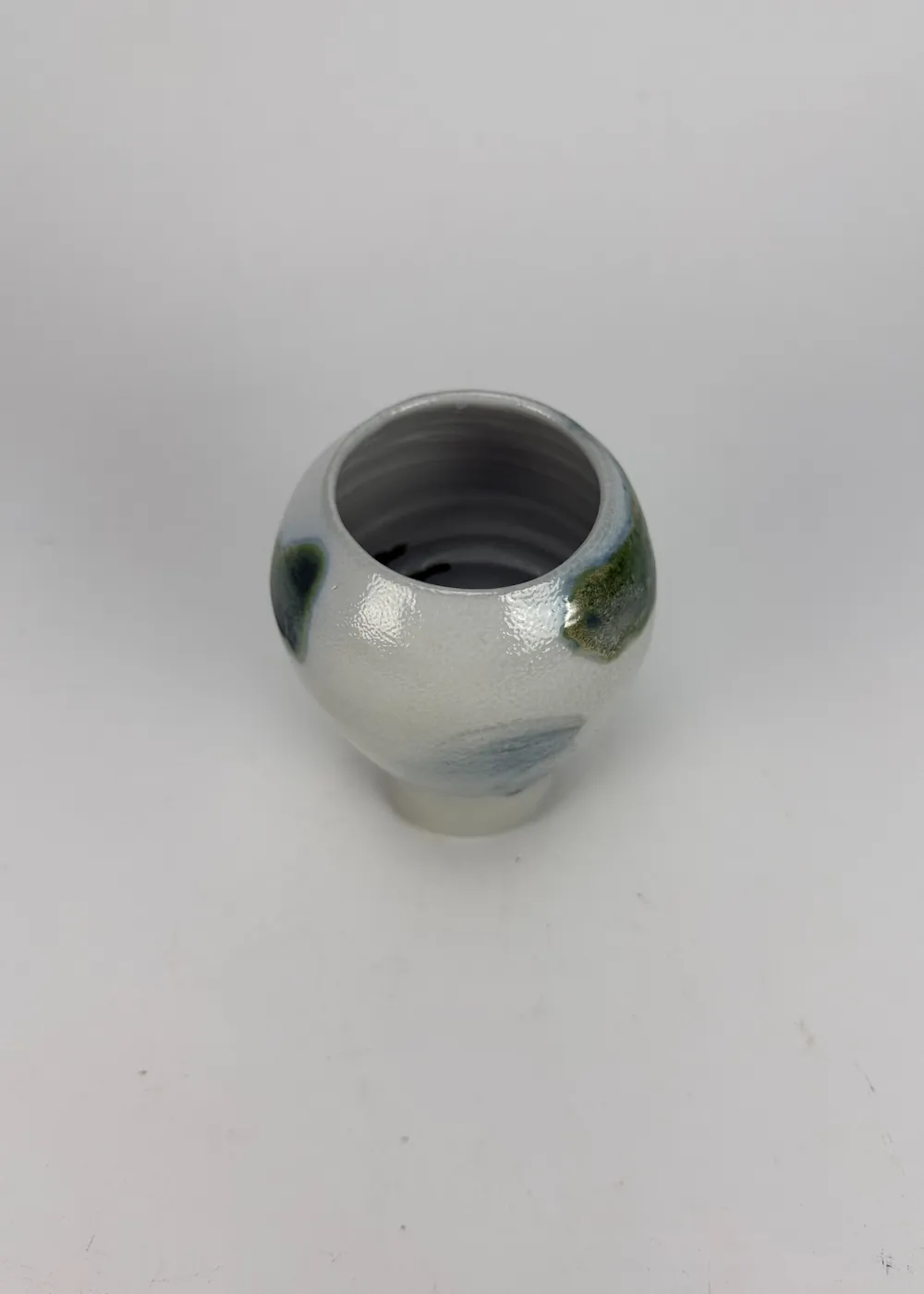
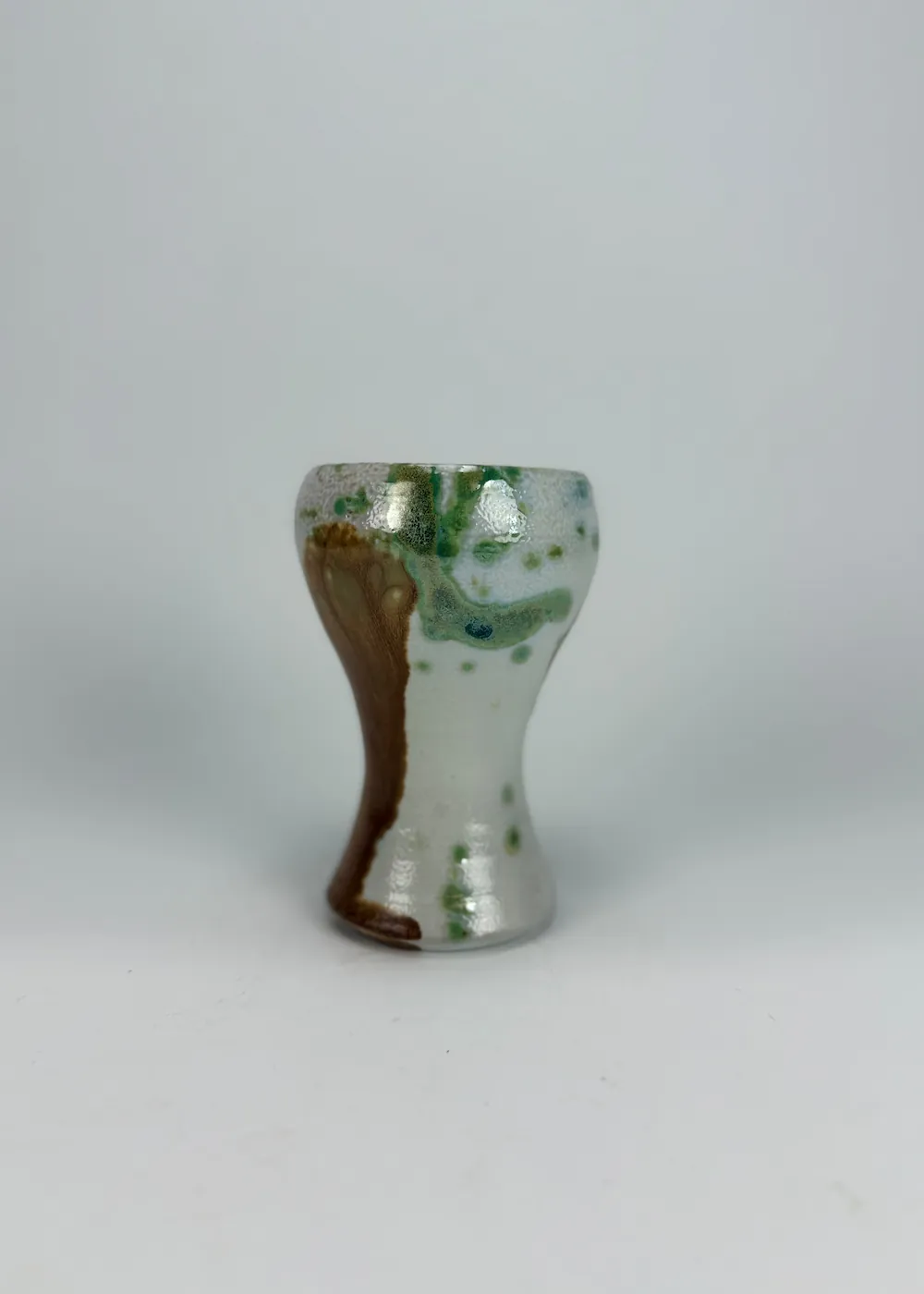
Ceramic Works by Ping Xu
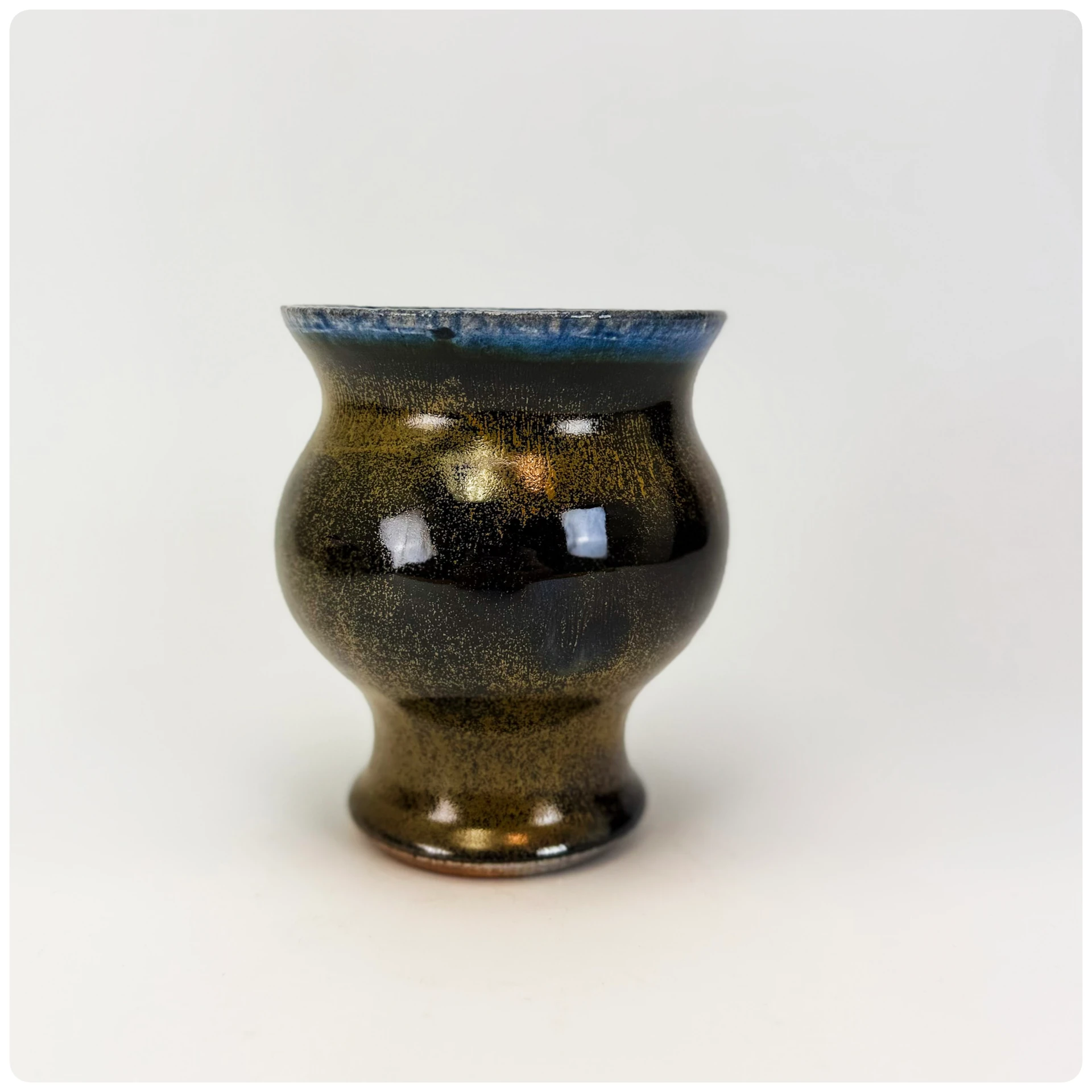
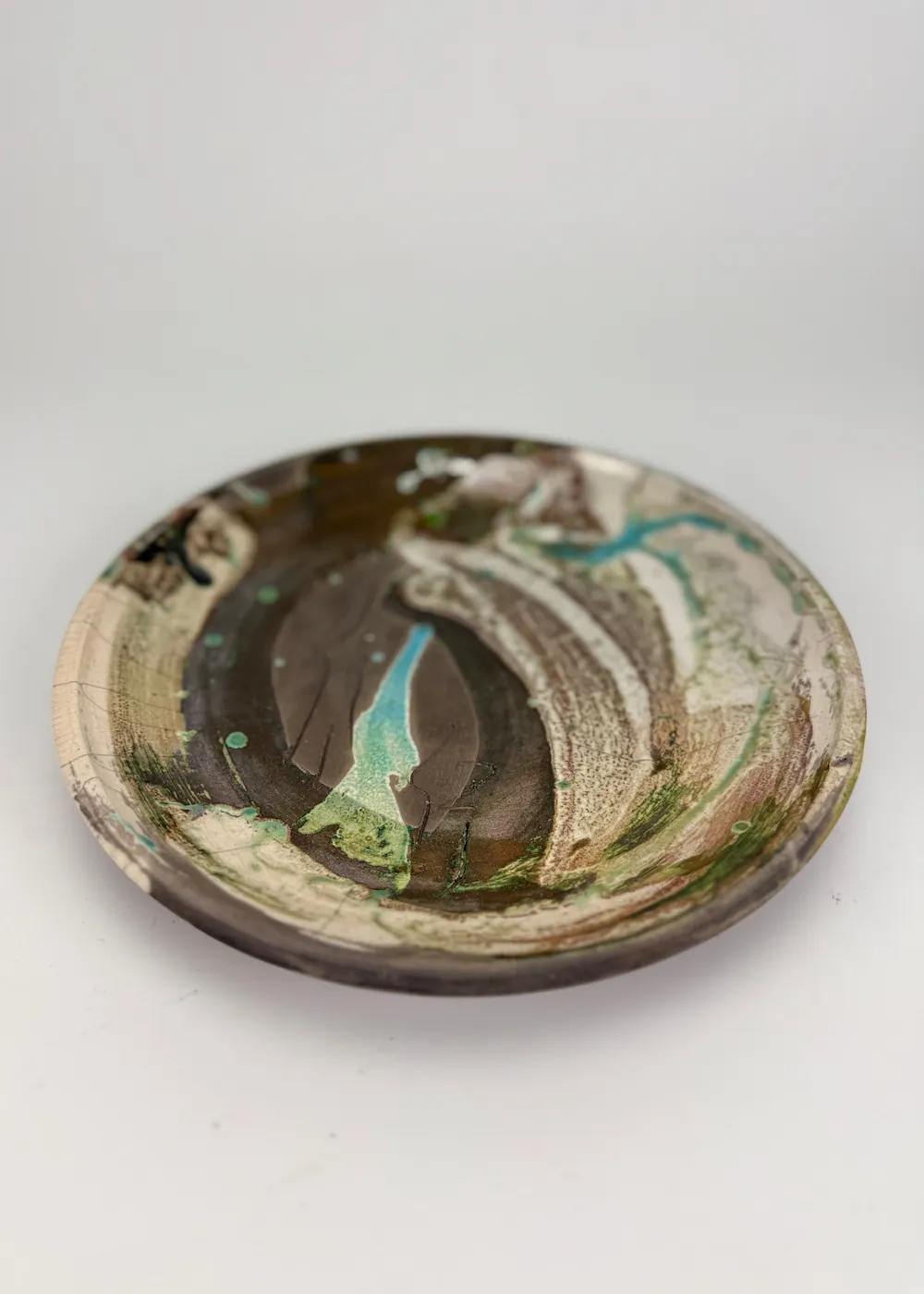
Ceramic Art is created from ceramic materials like clay and can take many forms, including pottery, tableware, tiles, figurines, and sculptures. While some ceramics are classified as fine art, such as pottery and sculptures, most are decorative, industrial, or applied art objects. This form of visual art has been produced across East and West Asia for centuries, showcasing both functionality and creativity.
Ping Xu is a Kundalini Yoga / meditation teacher, a wisdom keeper and an artist. Since 2022, she has been studying ceramics making under Jill Kovachick at the Saratoga Clay Arts Center in Saratoga Springs, New York.
For Ping, the alchemy of shaping earth is a sacred ritual—an unfolding, an integration, a vessel for the teachings she lives and shares with others. Each piece she creates is a crystallization of love: a dance of wisdom, poetry, and mystic play, echoing whispers from the ineffable beyond.
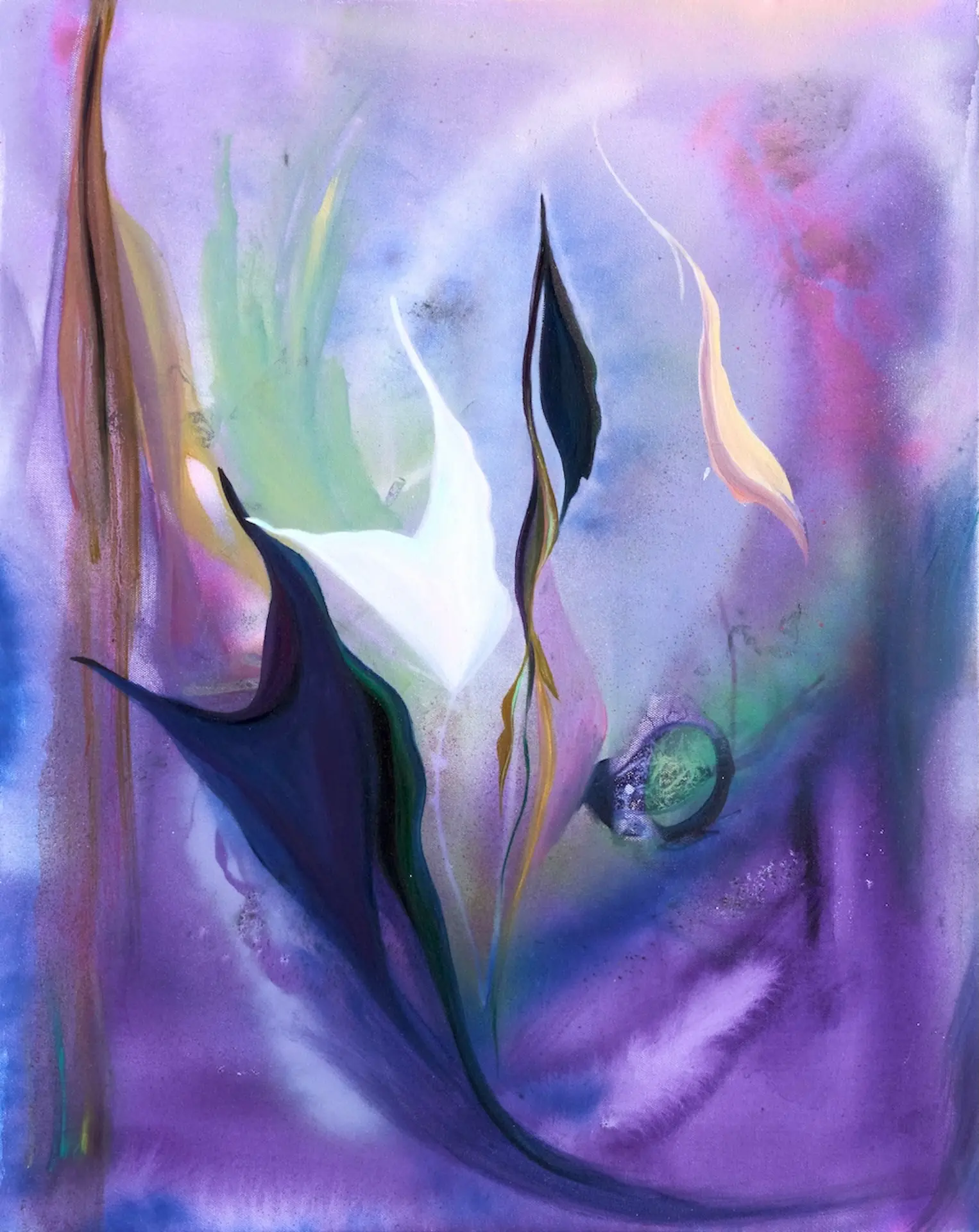
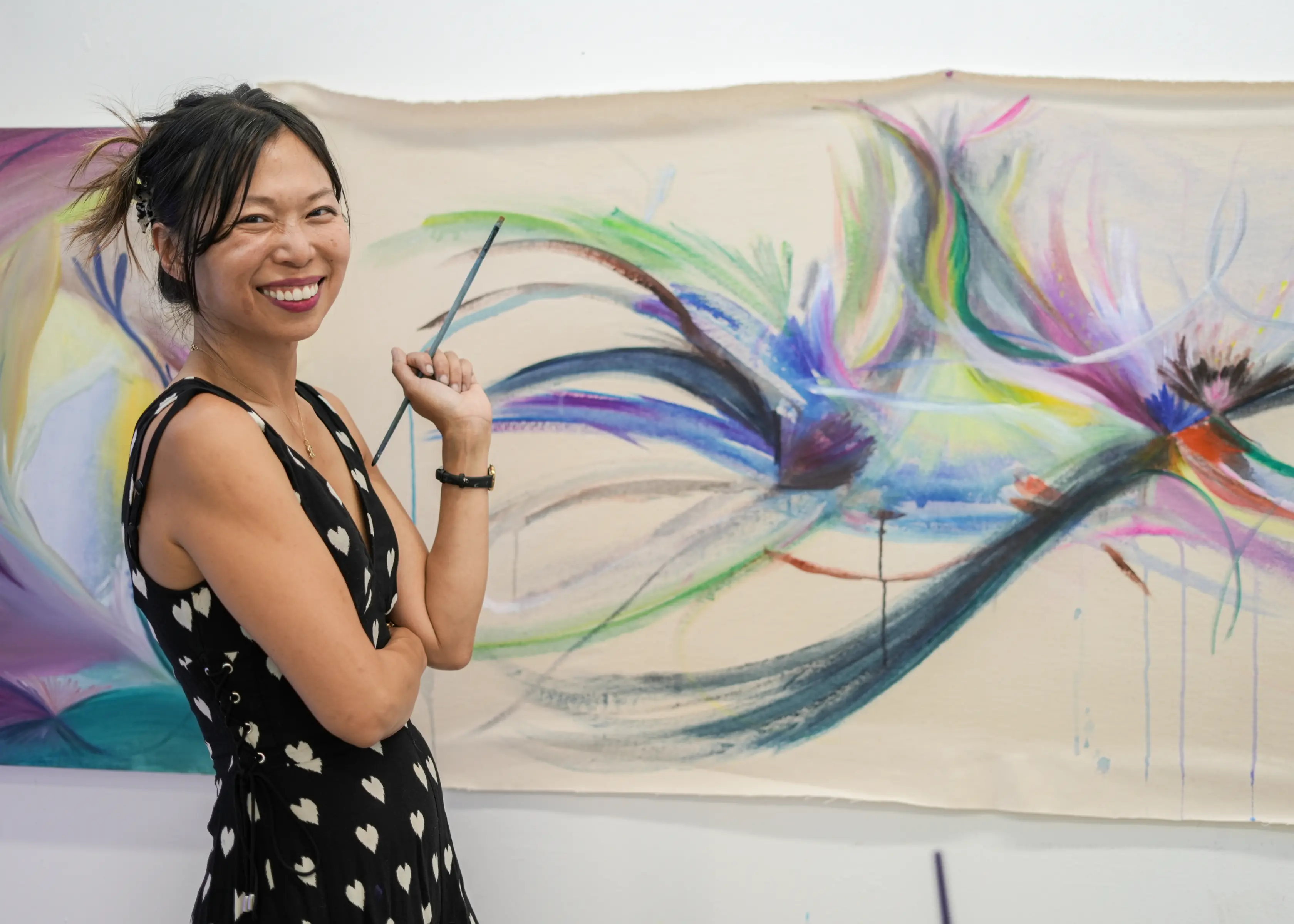
Kim Tateo
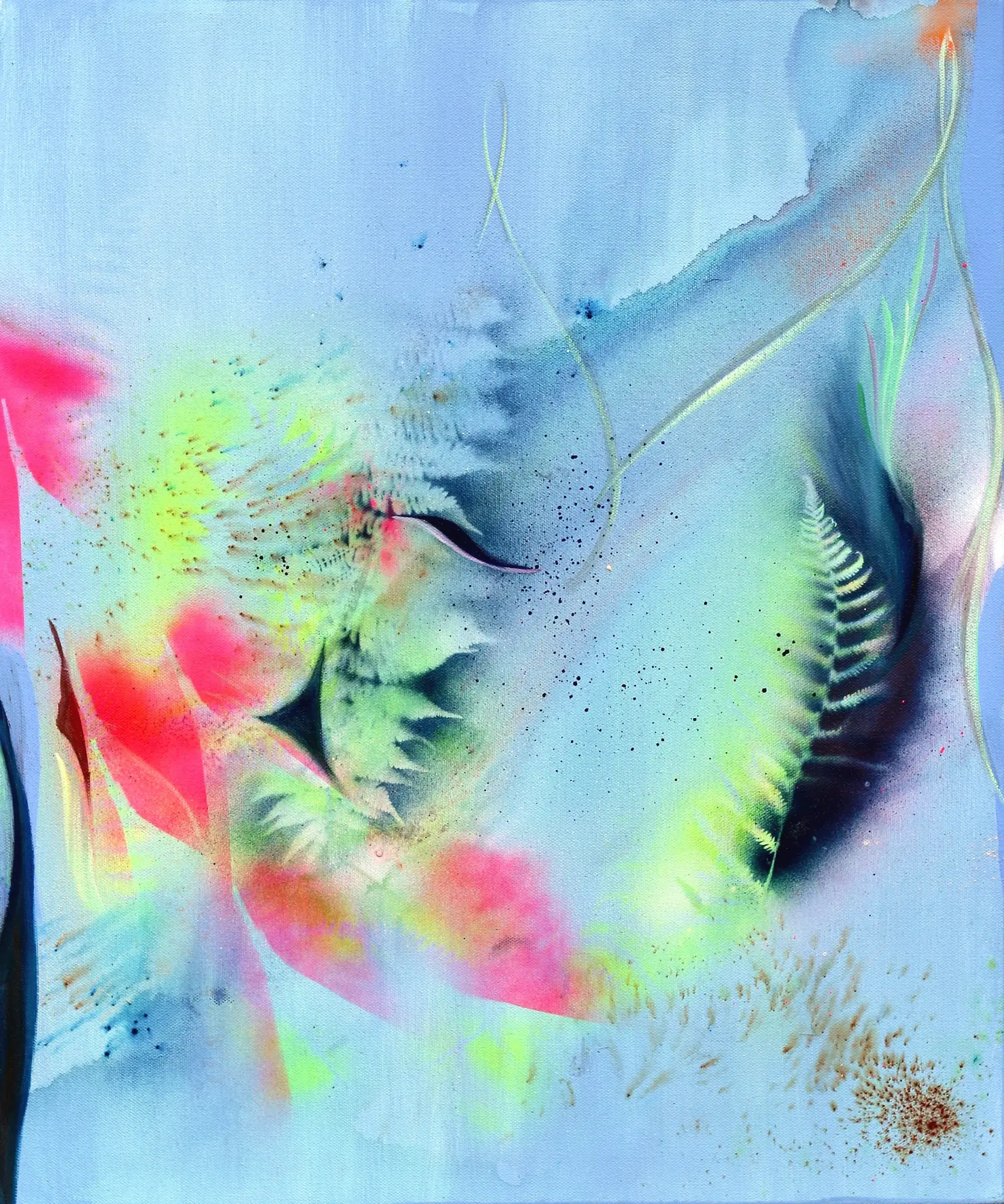
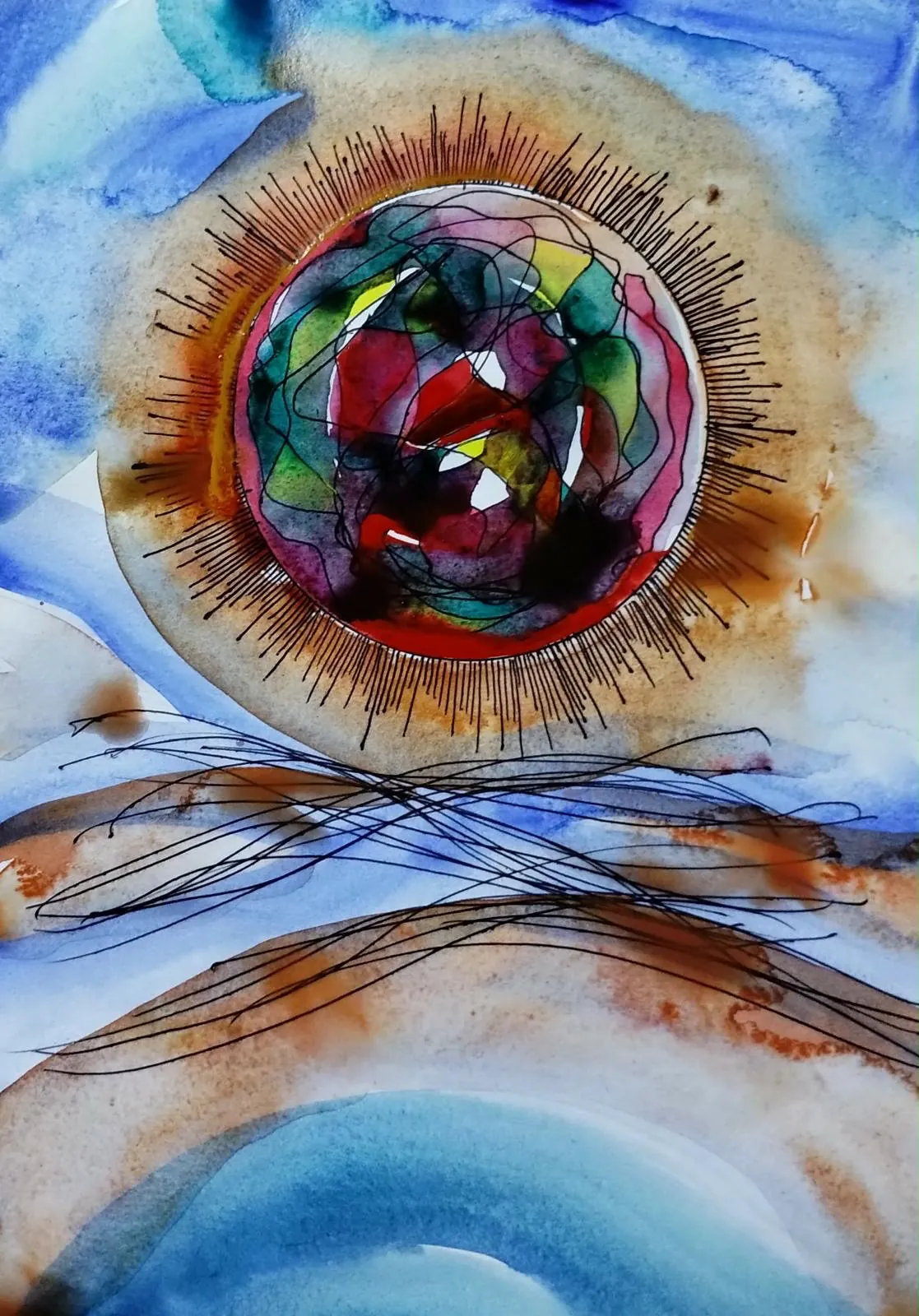
Kim Tateo is a painter whose work explores interconnectedness, impermanence, and the unseen. Her dreamlike landscapes are rich with color, marks, and layers, inviting viewers to look closer and discover hidden layers of meaning and wonder.
Her deep connection with nature informs her practice, shaped by her work as a shepherd and her studies in plant spirit medicine and herbalism at the Gaia School of Healing. She has participated in various exhibitions, art fairs, shows, and public art projects in New York City, Los Angeles, and the Capital Region.
She holds a Bachelor of Arts in Music from the University of Iowa and an MFA in Studio Art from the University at Albany, SUNY.
Visit Artist Website
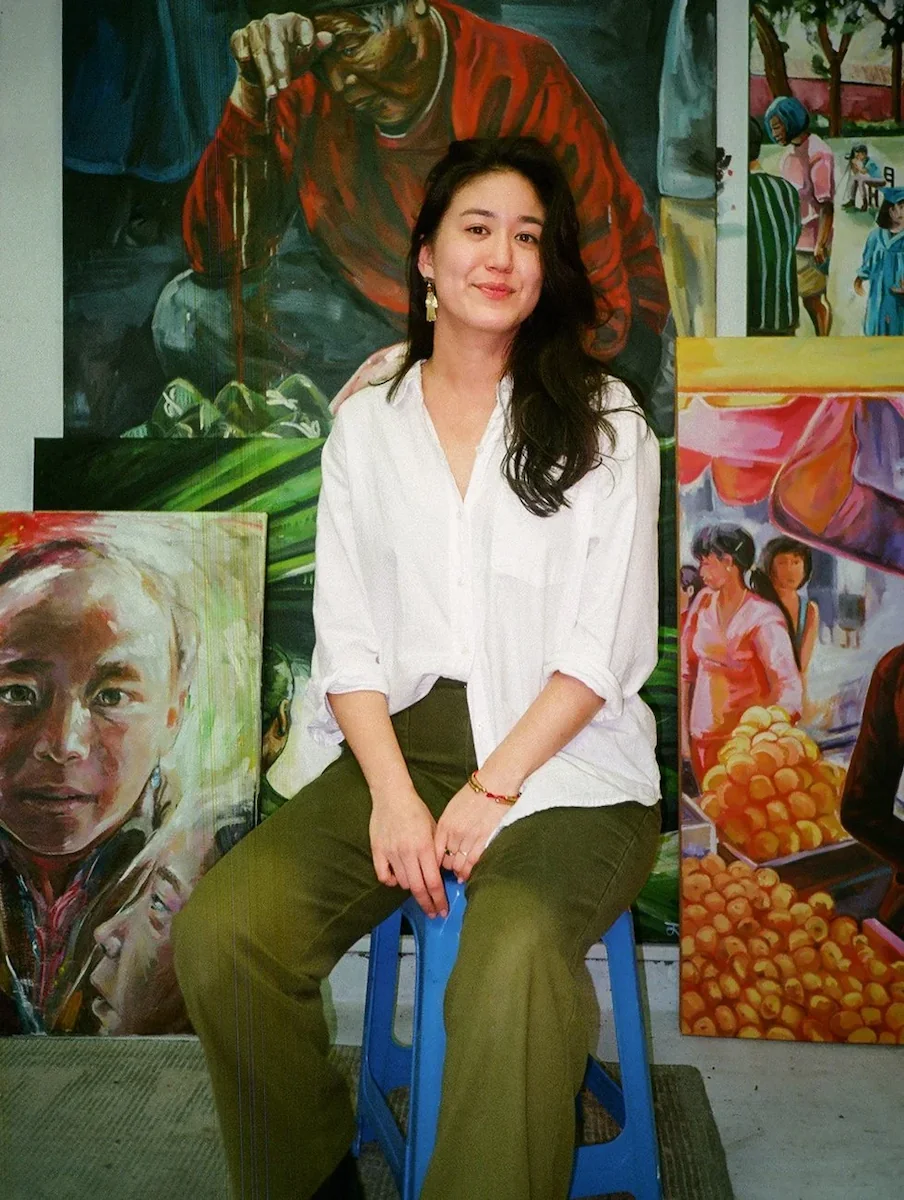
Kaarina Chu Mackenzie
Kaarina Chu Mackenzie is a Taiwanese-American artist based in Woodstock, NY. Born in the United States but raised in China, her work explores themes of transcultural identity and history through the interplay of photography and painting.
Through her art, Kaarina invites viewers to connect with everyday stories and scenes that cross cultural boundaries, celebrating shared human experiences and emotional connections.
Visit Website
Mengde Shi
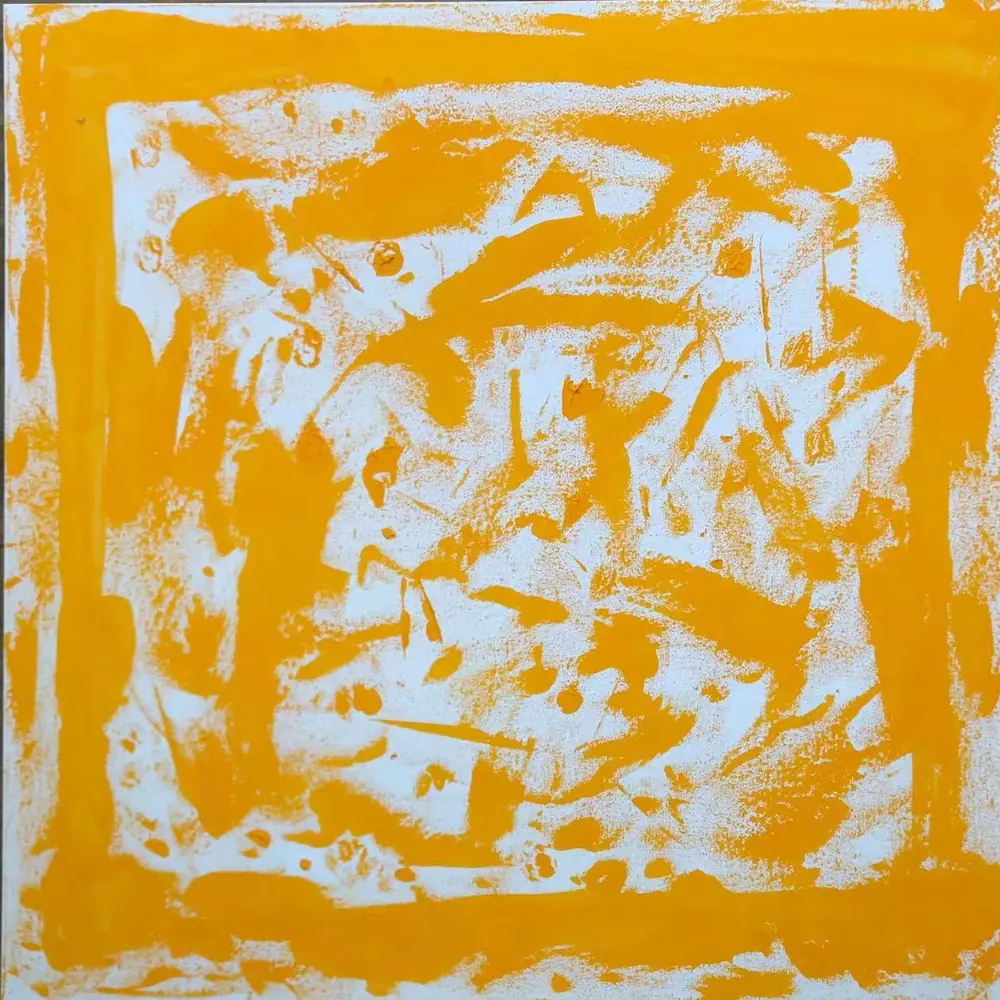
Mengde Shi is an artist whose work explores imagined worlds and portraiture through the integration of multi-dimensional space and cross-cultural influences. Using a rich and varied color palette, Shi emphasizes expressive facial features to capture the individuality and inner character of each subject.
In addition to portrait painting, Shi practices traditional Chinese painting, employing layered color on delicate paper to evoke movement and rhythm rooted in Eastern aesthetics.
Expanding across mediums, Shi also creates lacquer works, incorporating natural materials such as eggshells and shells to build textured, organic surfaces that enrich the visual experience.
Visit Website